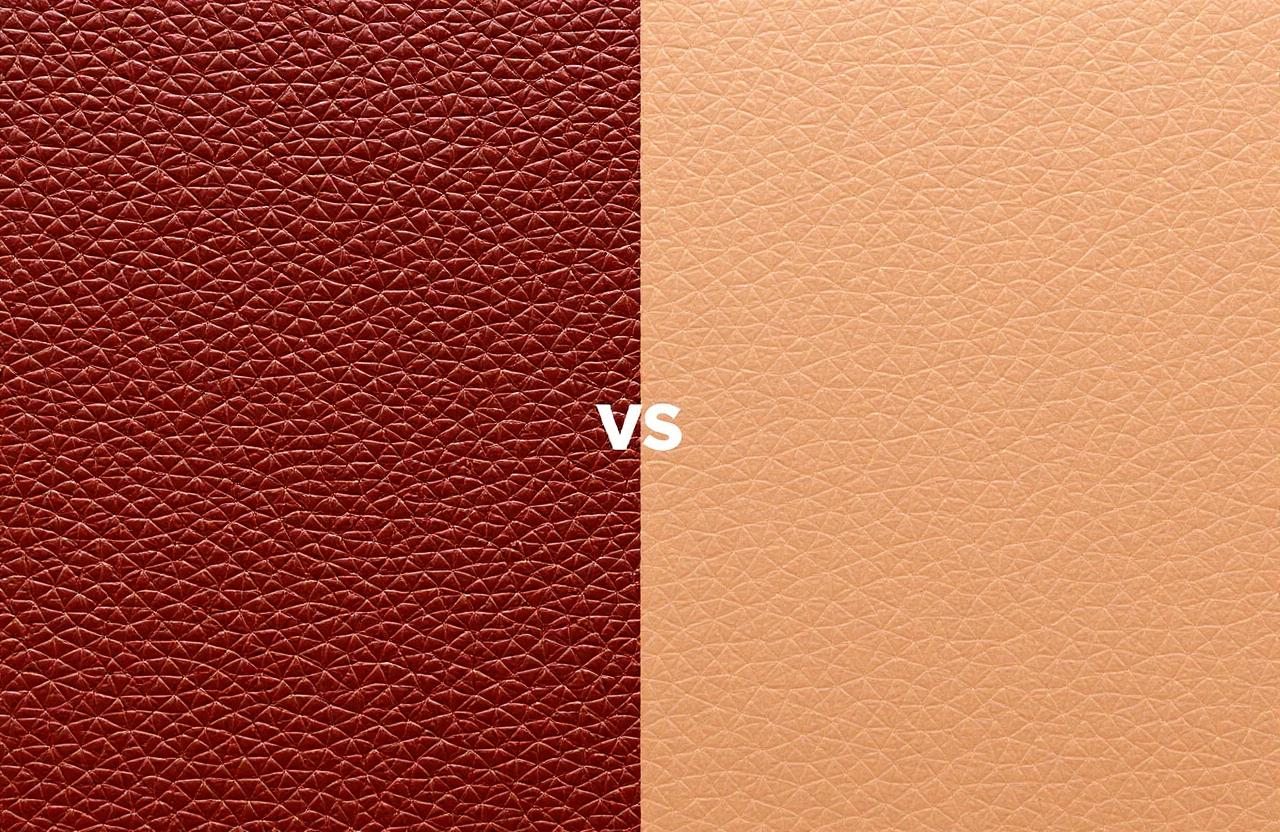
Real Leather vs Vegan Leather: An Honest Comparison of Durability, Sustainability and Ethics
The debate between animal leather and its alternatives is often reduced to a binary — cruel vs kind, old vs new, natural vs sustainable. The reality defies such neat categories. Every material carries trade-offs. Here, we lay them out plainly.
What is real leather?
Real leather is the tanned hide of an animal — most commonly cattle, but also sheep (lambskin), goats, and buffalo. Tanning is the chemical process that transforms a perishable organic material into a stable, durable one. The result is a material with a unique combination of properties: it breathes, it moulds to the wearer's body, it develops character over time, and it can last for decades.
Leather is a natural composite — a three-dimensional matrix of collagen fibres that gives it strength, flexibility, and resilience. This structure is why leather performs so well in demanding applications: it resists tearing, abrasion, and puncture far better than any woven fabric or synthetic film.
What is vegan leather?
"Vegan leather" is an umbrella term for any material designed to mimic the look and feel of animal leather without using animal hides. The term encompasses a wide range of materials with very different properties and environmental profiles:
PU (polyurethane) leather: The most common type. A layer of polyurethane is coated onto a fabric backing (usually polyester). It is flexible, relatively inexpensive, and can be made to closely resemble real leather. However, it is petroleum-derived, non-biodegradable, and typically lasts 2 to 5 years before the surface coating cracks and peels.
PVC (polyvinyl chloride) leather: Cheaper and stiffer than PU. PVC production involves chlorine gas and releases dioxins — among the most toxic chemicals known. PVC leather is widely considered the least environmentally responsible option in this category.
Plant-based alternatives: Materials made from cactus (Desserto), pineapple leaf fibre (Piñatex), mushroom mycelium (Mylo), apple waste, grape marc, and mango peel are in various stages of commercialisation. Most require synthetic binders (PU or bio-PU) to achieve usable durability. While promising, they currently represent less than 1 percent of the leather alternatives market.
Durability — the decisive factor
This is where the comparison tilts most dramatically. A full-grain leather jacket, properly cared for, lasts 20 to 50 years. A PU leather jacket typically lasts 2 to 5 years. Plant-based alternatives, being newer, lack long-term data, but early reports suggest lifespans of 3 to 7 years.
When you calculate cost per year of use — the true measure of value — leather is often the more economical choice. A $500 full-grain leather jacket worn for 25 years costs $20 per year. A $150 PU jacket replaced every 3 years costs $50 per year, plus the environmental burden of repeated manufacturing and disposal.
Durability is also an environmental metric. Every product that reaches landfill prematurely represents wasted energy, water, chemicals, and labour. The most sustainable product is the one you never have to replace.
Environmental impact — the full picture
The environmental case against leather typically focuses on cattle farming — methane emissions, deforestation, water use. These are legitimate concerns, but they are concerns about the meat and dairy industries, not the leather industry specifically. Leather uses a by-product that would otherwise go to waste.
The environmental case against synthetic leather is less well-publicised but equally serious. PU and PVC are derived from fossil fuels. Their production generates greenhouse gases. They are not biodegradable — a PU jacket in landfill will take hundreds of years to decompose, shedding microplastics throughout. Every wash of a synthetic garment releases microplastic fibres into waterways; natural leather does not.
Plant-based alternatives have a lighter raw-material footprint but currently rely on synthetic binders that undermine their biodegradability claims. The holy grail — a fully bio-based, binder-free leather alternative with comparable durability — does not yet exist at commercial scale.
Life Cycle Assessments that account for product lifespan consistently show that a long-lasting leather product has a lower environmental impact per year of use than a short-lived synthetic one. The calculus changes if the leather comes from unregulated, non-certified sources — which is why provenance matters.
Ethics — a personal calculation
The ethical dimension is genuine and deserves respect. For those who object to the use of animal products on moral grounds, no amount of sustainability data will make leather acceptable — and that is a valid position.
For those who view the ethics through a utilitarian lens — minimising total harm — the picture is more complex. Leather uses a material that is already produced as part of the food system. Synthetics rely on fossil fuel extraction, contribute to ocean microplastic pollution, and support fast-fashion consumption patterns that have their own human costs in labour conditions and waste.
There is no ethically pure option. There are only trade-offs, made with the best information available. Our position at KAKAIYS is transparency: we tell you exactly where our hides come from, how they are tanned, and how long you should expect the product to last. The choice is always yours.
The bottom line
If longevity, breathability, and graceful ageing are your priorities, and you are comfortable with animal-derived materials, responsibly sourced full-grain leather remains the benchmark. No alternative currently matches its combination of durability, comfort, and character.
If avoiding animal products is your priority, plant-based alternatives represent the most promising direction — particularly those working to eliminate synthetic binders. PU leather is a functional middle ground but carries significant environmental baggage.
Whatever you choose, buy less and buy better. The most impactful environmental decision is not which material to pick — it is how long you keep the product before replacing it.
Leather worth writing about.
Discover the pieces behind the words.
Visit the Collection