How to Clean and Maintain Every Type of Leather: The Complete Type-by-Type Guide
Leather is not one material — it is a family of materials, each with its own personality, vulnerabilities and rituals. A jar of conditioner that nourishes a full-grain biker jacket will ruin a pair of suede gloves. A damp cloth that refreshes nappa will leave permanent watermarks on nubuck. To care for leather properly, you must first know which leather you have. This is the maison's complete type-by-type manual: how to identify, clean, condition, dry, store and rescue every kind of leather you are likely to own.
Before you begin: the universal rules of leather care
Regardless of type, every leather responds to the same five fundamentals. Honour them and you will rarely need a professional cleaner.
1. Less is more. Leather is skin. Over-cleaning, over-conditioning and harsh chemicals strip the natural oils and collagen that give it suppleness. A monthly dust and a twice-yearly condition is enough for most pieces worn regularly.
2. Always test first. Apply any product — cleaner, conditioner, stain remover, water-repellent — to a hidden patch (inside hem, under collar) and wait 24 hours. Discoloration, darkening or stiffening will reveal itself before you ruin a visible area.
3. Distilled water only. Tap water contains chlorine, calcium and minerals that leave white residue and dry the hide. Spend two pounds on a bottle of distilled water; use it for every wipe-down and dilution.
4. Air dry, never heat. Hairdryers, radiators, direct sun and tumble dryers cause leather to shrink, harden and crack — often irreversibly. Wet leather must dry slowly at room temperature, away from any heat source, on a wide padded hanger that holds its shape.
5. Condition only when the leather is clean. Trapping dirt under conditioner is how you create lasting stains and accelerate fibre breakdown. Always clean → let dry → then condition.
How to identify what kind of leather you actually have
Most jackets, bags and shoes carry a care label inside. If yours does not, use these tactile and visual cues:
Full-grain: visible natural pores and tiny scars; develops a soft sheen (patina) with use; feels firm but warm; the underside is fibrous.
Top-grain: smooth, uniform surface (lightly sanded); slightly more rigid hand than full-grain; common on luxury bags and dress leathers.
Nappa: extremely soft, smooth, fine pebbled grain; usually pale or pastel-dyed; common in driving gloves, premium handbags and high-end jackets.
Lambskin: feather-light, very soft, almost silky; bends without resistance; the most delicate of jacket leathers and the most prone to scratches.
Suede: napped underside of the hide; matte, fuzzy, velvety surface; absolutely no shine.
Nubuck: top-side of the hide lightly sanded to raise a fine nap; looks like very fine velvet; slightly more durable than suede but reads similar.
Patent: mirror-glossy plastic-like coating over leather; rigid; scuffs leave dull marks.
Oil-pull-up / waxy: pulls lighter when bent or stretched; matte, rugged feel; common on rugged biker, work and military jackets.
Exotic (alligator, crocodile, ostrich, snake): distinctive raised scales or quill bumps; usually heavily finished and expensive.
Bonded leather / 'genuine leather': uniform, plasticky surface; no real grain variation; often peels in sheets after a few years. Treat it like vinyl — it cannot be conditioned back to life.
Full-grain leather — the workhorse of fine jackets and bags
Full-grain is the most durable and forgiving leather, but it is also the most rewarding to care for because it visibly improves with use.
Weekly: wipe with a dry, soft microfibre cloth to lift surface dust before it embeds in the grain.
Monthly: wring a microfibre cloth in distilled water until barely damp. Wipe in the direction of the grain across the entire piece — not in spot circles, which create dark patches. Let air dry for 30 minutes before wearing or storing.
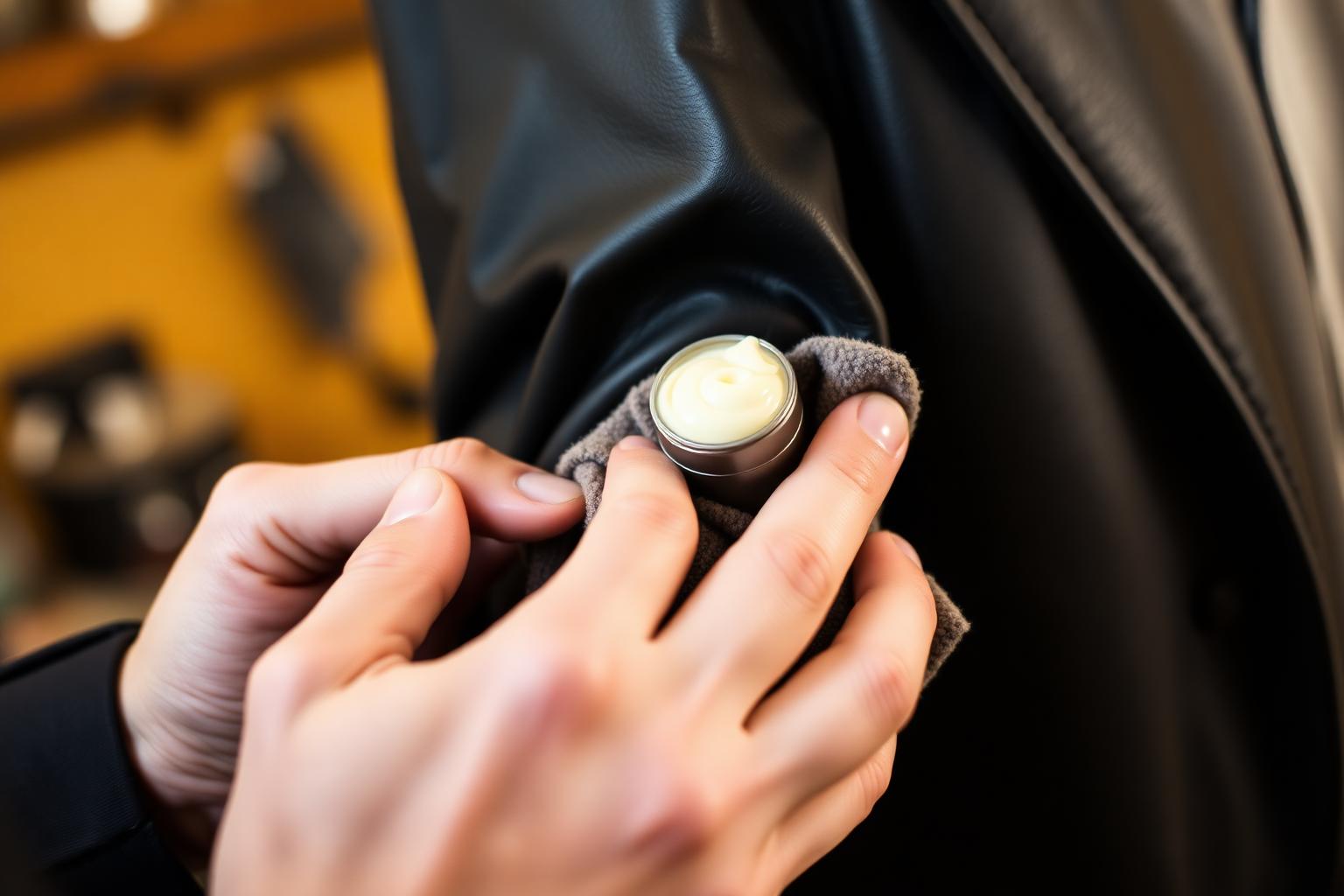
Every 4–6 months: clean with a pH-balanced leather cleaner (saddle soap is acceptable for rugged pieces; avoid it on dyed or finished aniline). Apply a small amount to a cloth, work in section by section, then wipe off residue with a clean damp cloth. Once dry to the touch, apply a thin, even layer of leather conditioner with a fresh cloth using small circular motions. Let it absorb for at least 30 minutes — overnight is better — then buff off any excess with a dry cloth.
Annually: apply a leather-safe water-repellent spray (silicone-free, leather-formulated) before winter. Hold the can 20–25 cm away and apply two thin coats, letting each dry between applications.
Common mistakes: using mink oil or neatsfoot oil on dyed full-grain (they darken the leather and can stain garments worn under it); over-conditioning (twice a year is plenty); using olive oil or coconut oil from the kitchen (they go rancid inside the fibres and cause permanent odour).
Top-grain and corrected-grain leather — smooth dress leathers
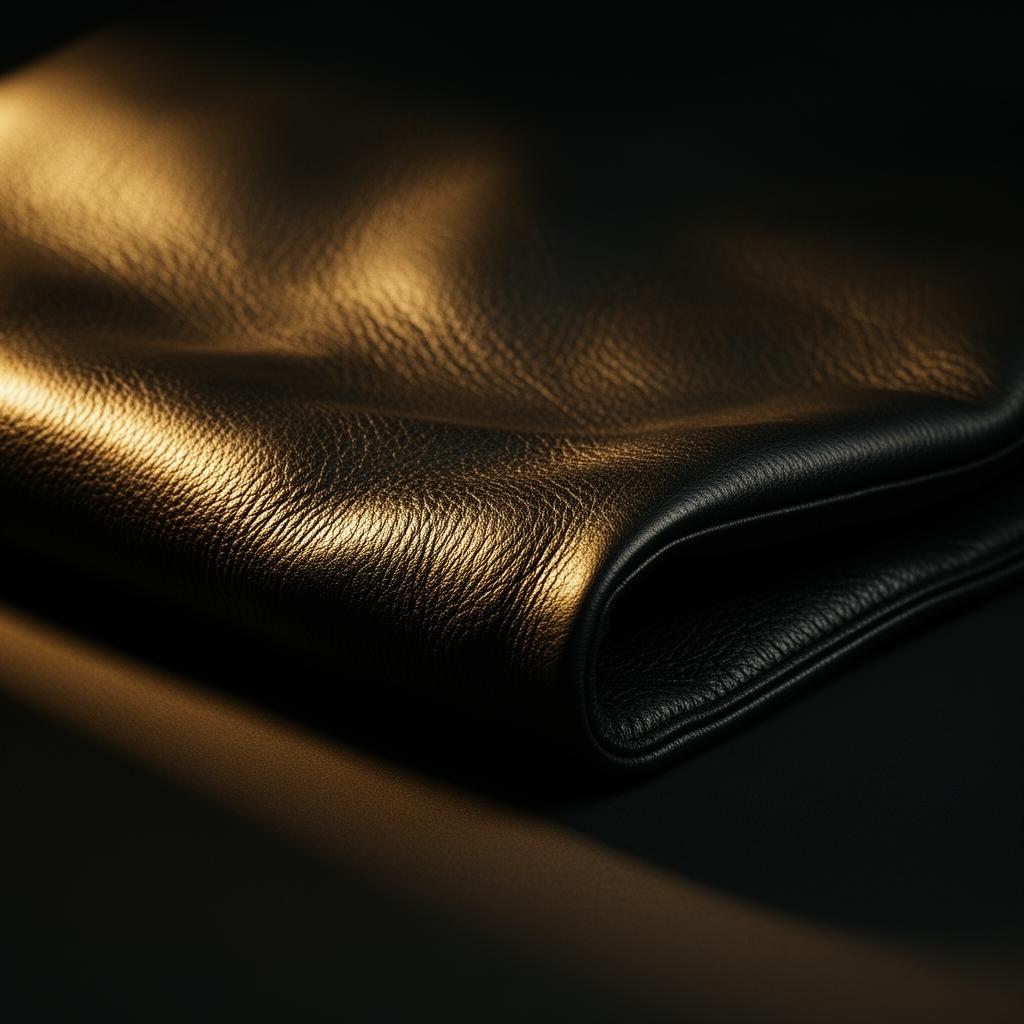
Top-grain has a thin protective finish that makes it more stain-resistant than full-grain but also less able to absorb conditioner. Treat it gently.
Cleaning: a barely-damp microfibre cloth with distilled water handles most marks. For stubborn dirt, a drop of pH-neutral baby shampoo in a cup of distilled water, applied with a soft cloth, is safe.
Conditioning: use a light, water-based leather conditioner two or three times a year. Heavy oil-based products will sit on the surface and attract dust because the protective finish blocks absorption.
Repairs: small scuffs on top-grain can usually be massaged away with a fingertip — body warmth re-blends the finish. For deeper marks, a colour-matched leather cream from a cobbler is the safest fix.
Nappa leather — softness that demands a feather hand
Nappa is full-grain or top-grain that has been chrome-tanned and finely milled to a buttery, supple hand. It is the leather of premium driving gloves, soft handbags and luxury jacket linings. It scratches and stains more easily than firmer leathers.
Cleaning: only ever use a barely-damp soft cloth with distilled water. Never scrub. For pale nappa (cream, blush, white), avoid commercial leather cleaners entirely — most will yellow the finish. Use a single drop of pH-neutral cleanser in distilled water if absolutely necessary.
Conditioning: every 6–12 months, apply a conditioner specifically labelled for nappa or 'fine leather'. A pea-sized amount covers an entire handbag panel. Buff thoroughly — any residue will pick up dust.
Stains: blot immediately, never rub. Pen ink on nappa is extremely difficult to remove and almost always requires a professional. Do not attempt rubbing alcohol on pale nappa — it will lift the dye.
Storage: stuff handbags with acid-free tissue (not newspaper — the ink transfers) to hold their shape, then store in their dust bag in a cool dry place.
Lambskin — the most delicate jacket leather
Lambskin is prized for its featherlight weight and silken hand, but it is the thinnest and most easily damaged leather you can wear. A single seatbelt rub or sharp keychain can mark it permanently.
Cleaning: dust weekly with a dry microfibre cloth. For a deeper clean, use a cloth dampened with distilled water and a single drop of pH-balanced leather cleaner. Test first; lambskin can darken visibly even from water alone.
Conditioning: twice a year, no more, with a conditioner formulated for soft or sheepskin leathers. Use the smallest amount you think you need, then halve it.
Daily care: avoid wearing crossbody bags, heavy backpacks or anything with a metal buckle directly against a lambskin jacket — the friction wears through the surface. Remove jewelry that sits at the cuffs or collar.
Rain: lambskin and water are sworn enemies. If caught in a shower, blot immediately with a soft towel (do not rub), then hang on a wide padded hanger to dry slowly at room temperature. Once dry, condition lightly to restore softness.
Suede — the napped finish that fears water
Suede is the napped underside of the hide. It has no protective finish, so dirt, water and oil all sink straight into the fibres. With the right tools, however, suede is surprisingly resilient.
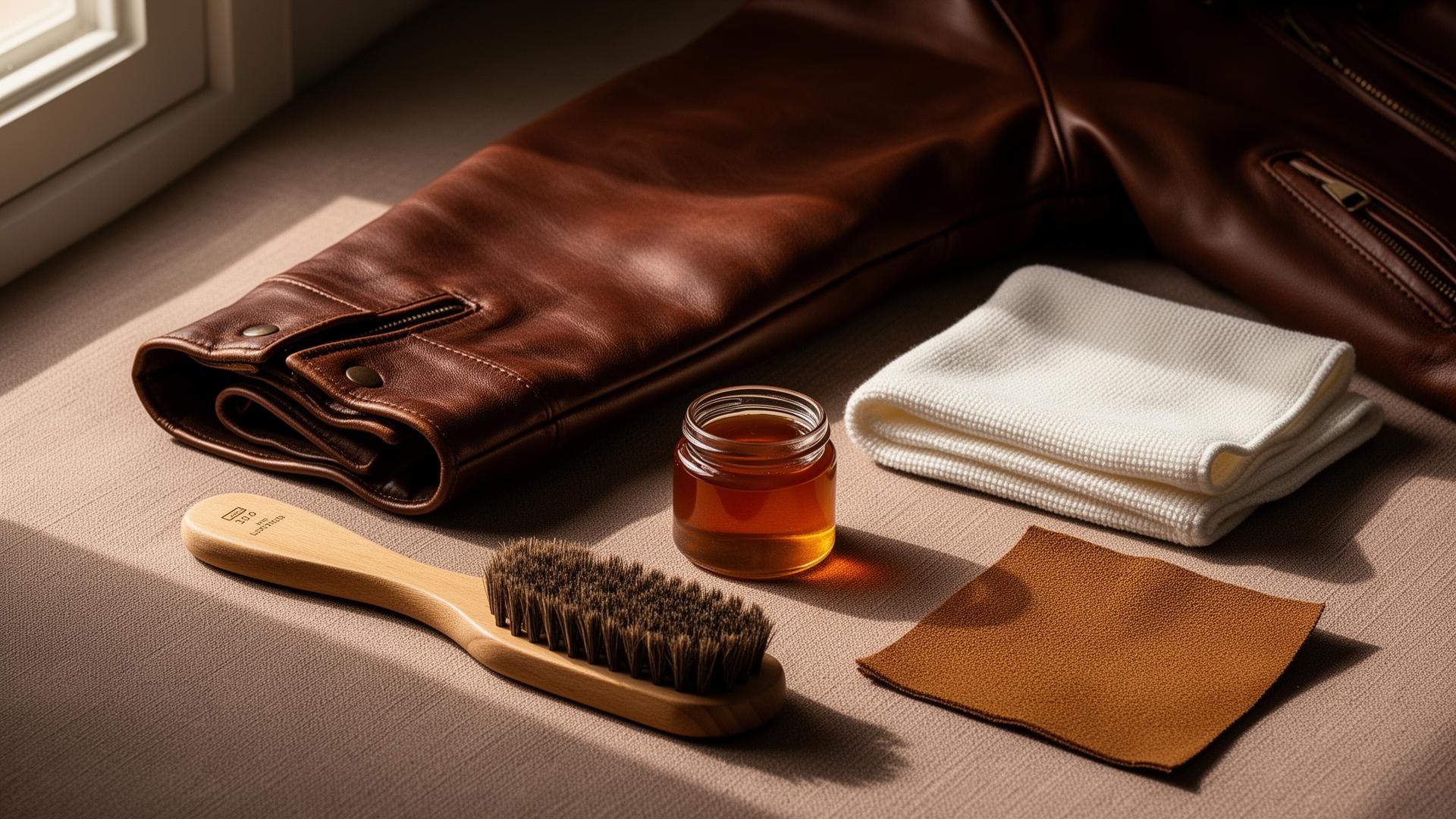
Essential kit: a dedicated suede brush (brass or nylon bristles), a suede eraser (sometimes called a suede gum), and a colourless suede protector spray.
Routine cleaning: after each wear, brush the suede gently in one direction to lift dust and re-fluff the nap. Never use a wet cloth.
Spot cleaning: for dry marks, rub the suede eraser back and forth across the stain with light pressure, then brush away the crumbs and re-raise the nap with the suede brush. For shiny worn patches (from cuffs, seatbelts, bag straps), brush vigorously in alternating directions to lift the matted nap.
Water marks: dampen the entire panel evenly with a fine mist of distilled water from a spray bottle, then let it dry slowly away from heat. Brush once dry. This equalises moisture so no tide line remains.
Oil and grease: dust the stain generously with cornstarch or talcum powder and leave overnight. The powder draws out the oil. Brush away in the morning. Repeat once if needed.
Protection: spray a new suede piece with a colourless silicone-free suede protector before first wear. Re-apply every 3–4 months and after every deep clean. Never apply leather conditioner to suede — it will mat and ruin the nap permanently.
Nubuck — suede's slightly tougher cousin
Nubuck is the top-grain side of the hide buffed to raise a very fine nap. It looks like premium suede but, because it comes from the stronger top side, it is marginally more durable. Care is nearly identical to suede with two refinements:
Use a softer brush. Nubuck's nap is finer than suede's; a brass-bristle suede brush can be too aggressive. A horsehair brush or a soft nylon nubuck brush is safer.
Mind the colour. Nubuck takes dye unevenly because of its raised fibres. When using a suede eraser or brush, work patiently in even strokes across the whole panel, never just on the spot — otherwise you will leave a lighter clean patch surrounded by darker dirt.
All other suede rules apply: no water-soaked cleaning, no leather conditioner, always re-protect with a colourless spray.
Patent leather — the high-gloss finish
Patent leather is leather coated in a high-gloss plastic or lacquer finish. The leather underneath barely matters — care is mostly about the coating.
Cleaning: wipe with a soft cloth dampened in distilled water and, if needed, a drop of mild dish soap. Dry immediately with a clean cloth to prevent water spotting.
Polish: a dab of petroleum jelly or a dedicated patent leather polish, buffed with a soft cloth, restores the shine and fills tiny scratches.
Scuffs: light scuffs from another patent piece (especially shoes) often lift with a soft eraser or a cotton swab dipped in rubbing alcohol. Test first.
Storage: never store two patent surfaces touching — they can fuse or transfer colour, especially in heat. Wrap in tissue paper. Patent yellows over time if exposed to sunlight; store in a dark place.
Oil-pull-up and waxy leathers — rugged and forgiving
Oil-pull-up leather (also called pull-up or waxy leather) is hot-stuffed with oils and waxes during tanning, giving it a rugged, lived-in look that lightens where it bends or stretches. It is common on biker, work and military jackets and on heritage leather bags.
Cleaning: wipe with a damp cloth. This leather is much more forgiving of water than dressier leathers because the oils repel moisture.
Conditioning: use a wax-based leather dressing or a conditioner specifically labelled for oil-tanned or pull-up leather. Apply with a cloth, let absorb, then buff. The leather should darken slightly as oils replenish.
Scratches: many scratches on pull-up leather lift simply by warming the area with your fingertip and rubbing gently — the wax re-flows. Deeper marks become character.
Do not over-protect. The oils in the leather are the protection. Avoid acrylic-based water-repellent sprays, which seal the surface and trap the oils unevenly.
Exotic leathers — alligator, crocodile, ostrich, snake
Exotic leathers are usually heavily finished and surprisingly easy to clean, but their scales and quill bumps demand a different technique.
Always wipe in the direction of the scales, never against. Going against the scales lifts and damages them.
Cleaning: a soft cloth dampened with distilled water is enough for routine maintenance. For deeper cleaning, use a leather cleaner formulated for exotics, applied with a soft brush along the scales.
Conditioning: use a conditioner specifically labelled for exotic leathers, two or three times a year. Standard conditioner can build up between scales and dull the natural sheen.
Buffing: after conditioning, buff gently with a soft cloth in the direction of the scales to restore the characteristic high gloss.
Storage: stuff with acid-free tissue, store in a dust bag, and never let the scales bend sharply against themselves — creases on exotics rarely come out.
Bonded leather and 'genuine leather' — the limits of care
Bonded leather is shredded leather scraps glued to a backing and coated in polyurethane. 'Genuine leather' (when used as a grade rather than a generic term) usually refers to the lowest split layers heavily corrected with synthetic finish. Both behave more like vinyl than leather, and conditioner cannot save them once they begin to peel.
Cleaning: wipe with a damp cloth. Avoid leather conditioners — they sit on the plastic finish and attract dust without nourishing anything.
Lifespan: expect two to five years of use before the surface cracks or peels. There is no meaningful repair; once peeling begins, it spreads.
The lesson: when investing in a piece you intend to keep, look for full-grain or top-grain. Care effort returns dividends only on real leather.
Shearling and sheepskin — leather with the wool still on
Shearling is sheepskin tanned with the wool intact. The leather side and the wool side need different care.
Wool side: brush with a soft suede or wool brush in the direction of the fibres to keep it lofted. Spot-clean with a damp cloth and a tiny drop of wool-safe detergent. Never machine wash.
Leather side (often suede or nubuck): treat exactly like suede or nubuck — brush dry, no conditioner, protect with a colourless suede spray.
Storage: hang on a wide padded hanger in a breathable cotton garment bag. Cedar blocks (not mothballs, whose chemicals damage leather) protect against moths.
Storing leather properly — the most overlooked half of care
Most leather damage happens not from wear but from poor storage. The rules are the same for every type:
Use a wide, padded hanger that supports the shoulders. Wire hangers will deform the shoulder line of any jacket within months.
Use a breathable cotton or muslin garment bag. Plastic bags trap humidity and cause mildew; vinyl bags can also chemically react with the leather finish.
Stuff bags with acid-free tissue paper to hold their shape. Replace the tissue every six months as it absorbs ambient moisture.
Store in a cool, dry, dark place. Aim for 18–22°C and 40–50% relative humidity. Avoid attics (too hot), basements (too damp) and any location with direct sunlight (causes irreversible fading).
Do not stack leather pieces on top of each other long-term. The pressure creates permanent creases and can transfer dye.
If you live in a humid climate, place a small silica gel sachet inside the garment bag and replace it every few months. If your climate is very dry, do the opposite — a small humidifier in the wardrobe room prevents the leather from drying and cracking.
When to call a professional
Some interventions are beyond home care, and attempting them yourself usually causes more damage than the original problem. Take your piece to a specialist leather cleaner — not a generic dry cleaner — for any of the following:
Deep cuts or tears that go through the leather: a leather repair specialist can stitch or patch invisibly with matching grain.
Large oil, ink or wine stains that have set: home solvents on a set stain almost always create a halo or lift the dye.
Mould that has spread across more than a small spot: requires controlled cleaning and re-tanning chemistry.
Colour transfer (dark denim onto a pale jacket, for example): professional dye-removal is the only safe option.
Loss of finish, dye fade or all-over damage from improper cleaning: a professional re-finish or re-dye can rescue pieces that look beyond hope.
A good specialist costs a fraction of replacing the piece and will often guarantee their work. Ask for examples of similar leathers they have treated before handing over an investment piece.
A care calendar you can actually keep
After every wear: hang on a padded hanger; let air for 30 minutes before returning to the wardrobe. For suede and nubuck, brush gently in one direction.
Weekly: dust with a dry microfibre cloth (or brush, for suede/nubuck/shearling).
Monthly: a barely-damp wipe with distilled water for smooth leathers; brush + suede eraser for napped leathers.
Every 4–6 months: clean with a leather cleaner appropriate to the type, then condition (smooth leathers only). Re-apply protector spray on suede and nubuck.
Annually (before winter): apply a leather-safe water-repellent. Inspect seams, lining and zips and have any minor repairs done at a leather specialist before they become major.
Care for leather is not a chore. It is a quiet, occasional ritual that turns a purchase into an heirloom — and a piece that already feels personal into one that begins to look it.
Leather worth writing about.
Discover the pieces behind the words.
Visit the Collection