Leather Grades Explained: Full-Grain, Top-Grain, Genuine and Bonded — A Complete Comparison
The label reads 'genuine leather.' The price seems right. The surface is smooth, uniform, unblemished. For a moment, you believe you have found a bargain. You have not. You have found one of consumer goods' most successful linguistic sleights of hand. This guide dismantles the confusion, grade by grade.
The anatomy of a hide
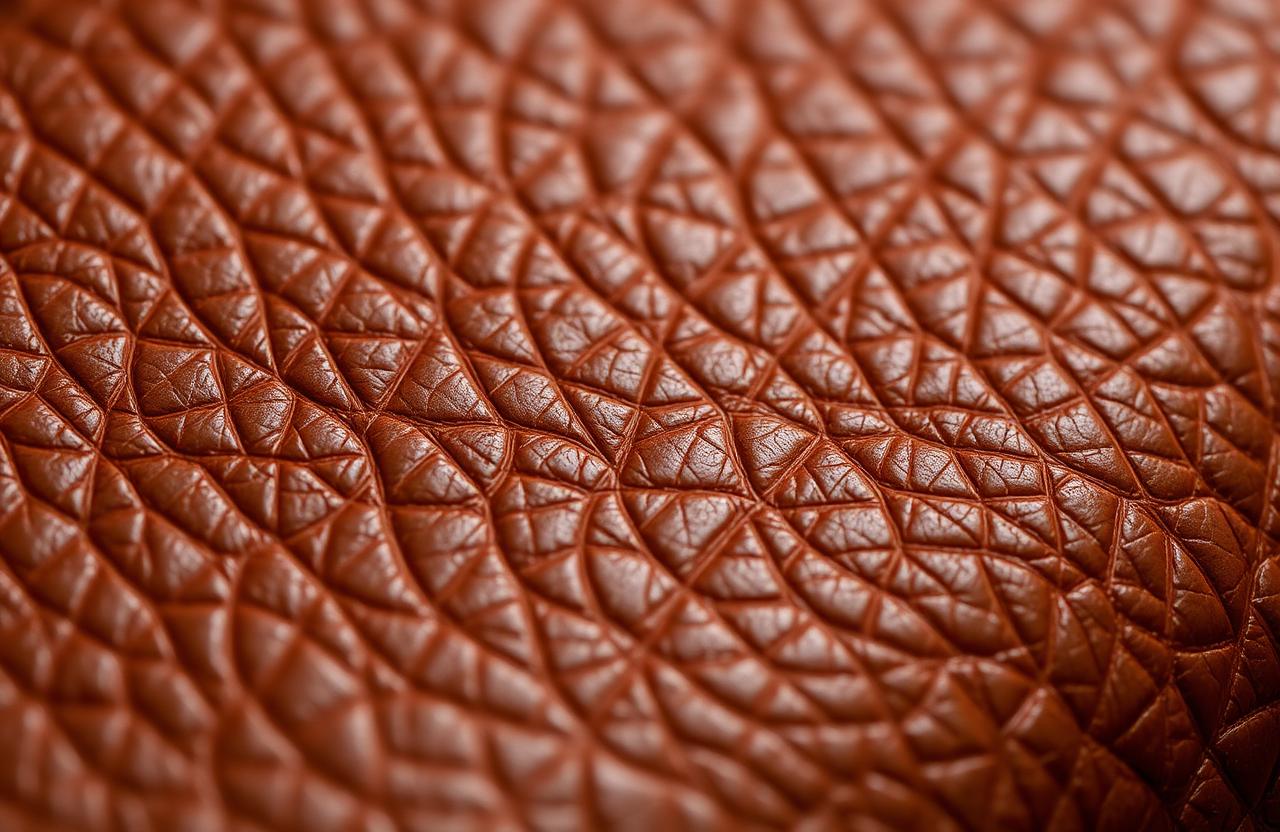
To understand leather grades, you first need to understand the raw material. An animal hide — typically cowhide — has a layered structure, much like wood has grain direction. The outermost layer, called the grain, is where the strongest, most tightly packed collagen fibres are found. This layer also carries the natural surface markings: pores, scars, insect bites, and the unique grain pattern that makes every hide one of a kind.
Beneath the grain is the corium, or split layer — a network of looser, less organised fibres. The deeper you go into the hide, the weaker and less durable the leather becomes. Every leather grade is defined by which layer it uses and how much processing it undergoes.
Full-grain leather — the uncompromised standard
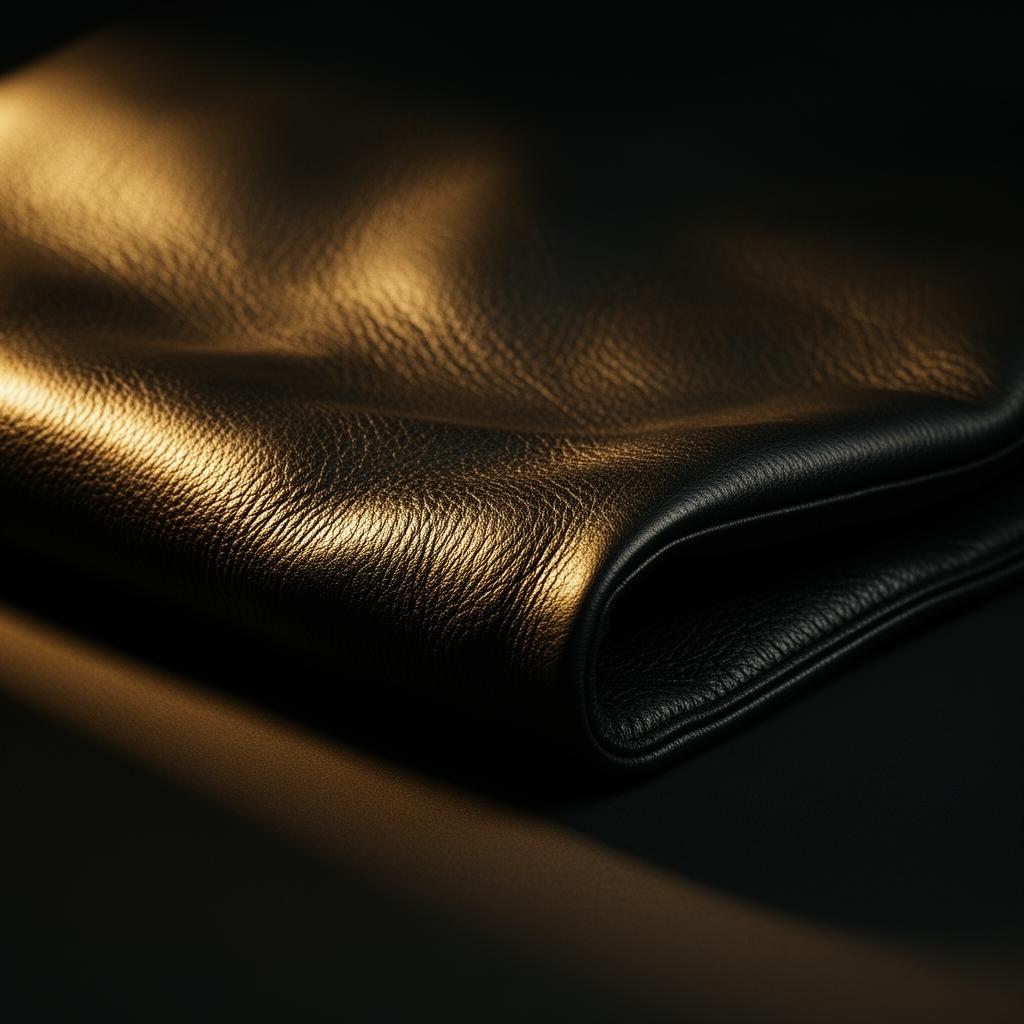
Full-grain leather uses the outermost surface of the hide in its entirety, with no sanding, buffing, or surface alteration. All natural markings remain visible — the pores, the subtle scars, the variations in texture that prove this material once lived and breathed.
Because the grain layer contains the densest, strongest fibres, full-grain leather is the most durable grade available. It is also the most breathable, allowing moisture to pass through the natural pore structure — a critical advantage in garments worn close to the body.
The defining characteristic of full-grain leather is patina. Over months and years of use, the surface develops a rich, lustrous sheen that deepens in colour and gains depth. This is the material's autobiography — a visual record of how it was used, where it went, what it endured. No two pieces of full-grain leather age identically.
At KAKAIYS, every jacket begins with full-grain hides. We believe the natural markings are not imperfections to be sanded away — they are the signature of authenticity.
Top-grain leather — the polished compromise
Top-grain leather starts as the same outermost layer of the hide, but undergoes a light sanding or buffing to remove surface blemishes. A thin finish coat is then applied to create a smooth, uniform appearance.
This processing makes top-grain leather more stain-resistant and easier to maintain than full-grain, which is why it is popular for high-end furniture and handbags where a pristine appearance is valued. The trade-off is subtle but real: the sanding removes the strongest surface fibres, making top-grain leather slightly less durable, and the finish coat inhibits the development of a natural patina.
Top-grain leather is a perfectly respectable material — it constitutes the majority of luxury leather goods on the market. It is not, however, the same as full-grain, despite being frequently conflated. When a brand says 'top grain' and implies it is the best, they are stopping one rung short of the truth.
Genuine leather — the misleading middle
The word 'genuine' in this context means only that the material is real leather, as opposed to synthetic. It is a legal designation, not a quality guarantee. Genuine leather is made from the split layer of the hide — the layers that remain after the top grain has been separated for higher-grade use.
Because the split layer lacks the tight, durable fibre structure of the grain, genuine leather must be heavily processed to become usable. It is typically spray-painted with a pigmented coating and embossed with an artificial grain pattern to simulate the look of higher-grade material. This coating is what you touch when you handle a genuine leather product — not the leather itself.
The result is a material that looks acceptable when new but deteriorates rapidly. The surface coating cracks and peels, revealing a rough, pale interior that cannot be repaired with conditioner. Products made from genuine leather rarely last more than 2 to 5 years under regular use.
Bonded leather — leather in name only
Bonded leather is to leather what particle board is to timber. It is manufactured by grinding leather scraps and fibres into a pulp, mixing them with polyurethane or latex adhesives, and pressing the mixture into thin sheets that are then embossed with a leather-look texture.
The leather content in bonded leather can be as low as 10 to 20 percent. The result is a material that looks vaguely like leather from a distance but behaves nothing like it. It does not breathe, it does not develop patina, it cannot be conditioned, and it peels and flakes within 1 to 3 years. It is commonly found in budget furniture, entry-level accessories, and book covers.
If you encounter a product marketed as 'leather' at a price that seems too good to be true, check the fine print. If it says 'bonded leather,' 'reconstituted leather,' or 'leather board,' you are not buying leather in any meaningful sense.
How to tell them apart in the store
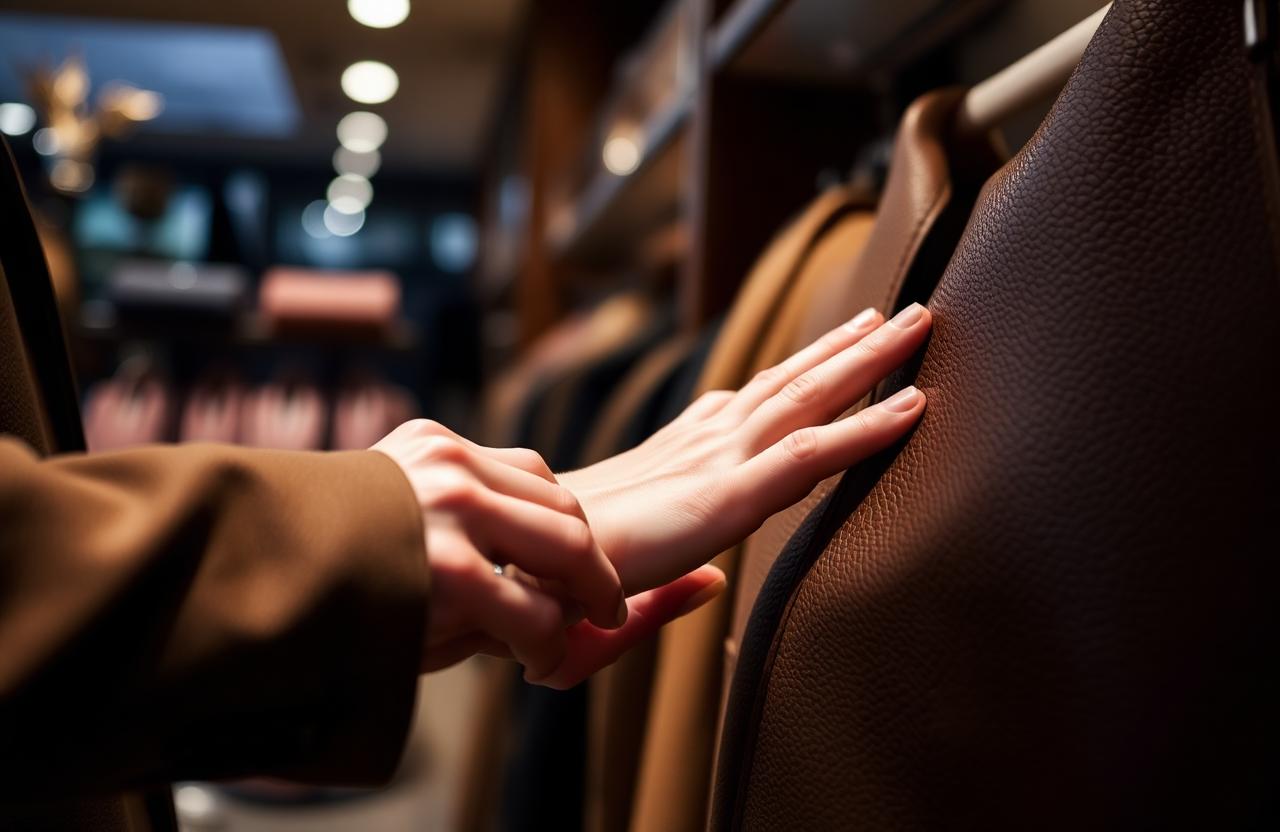
Touch: Full-grain feels warm and slightly textured. Top-grain feels smooth and uniform. Genuine leather feels stiff or plasticky. Bonded leather feels thin and hollow.
Smell: Full-grain and top-grain have a rich, earthy leather scent. Genuine leather has a faint, often chemical-tinged smell. Bonded leather smells of adhesive or plastic.
Edges: Full-grain and top-grain have rough, fibrous edges. Genuine leather edges may be painted. Bonded leather edges are perfectly smooth or rubbery.
Price: Full-grain leather is expensive because it comes from the best part of the hide. If a full-sized leather jacket costs less than a good pair of trainers, the grade is almost certainly genuine or bonded.
Labelling: Reputable brands specify the exact grade. Vague labels like 'real leather,' 'genuine leather,' or '100% leather' without further qualification are designed to obscure, not inform.
Which grade should you choose?
For jackets, bags, belts and shoes intended to last years: full-grain or top-grain. The premium is justified by the lifespan — a full-grain leather jacket that lasts 25 years costs far less per year of wear than a genuine leather jacket replaced every 3 years.
For furniture: top-grain offers the best balance of appearance, maintenance, and durability. Full-grain is the ultimate choice for those who appreciate natural character and are willing to embrace the patina.
For disposable fashion or items with a short intended lifespan: genuine leather may suffice, but consider whether a well-made fabric alternative might be more honest and more sustainable than low-grade leather.
For bonded leather: our recommendation is to avoid it entirely. It delivers none of the benefits that make leather worth choosing in the first place.
Leather worth writing about.
Discover the pieces behind the words.
Visit the Collection