Leather FAQ: 30+ Questions Answered by Leather Artisans
Leather is one of humanity's oldest materials, yet it remains one of the most misunderstood. Is it a waste product or a profit driver? Is it sustainable or destructive? Can it really last a lifetime? We receive these questions daily at the maison. Below, we answer every one of them — honestly, thoroughly, and without marketing spin.
Is leather a by-product of the food industry?
Yes. The overwhelming majority of leather — roughly 99 percent globally — is produced from hides that are a by-product of the meat and dairy industries. Animals are raised primarily for food; the hides are a secondary material that would otherwise go to waste. Without the leather industry, billions of kilograms of raw hides would be sent to landfill or incineration each year.
It is worth noting that the hide typically accounts for only about 5 to 10 percent of the total value of a slaughtered animal, which firmly places it in by-product territory rather than a primary revenue driver. The global leather trade exists because it transforms a perishable waste stream into one of the most useful and long-lived materials known to humanity.
Is leather sustainable?
When responsibly sourced and properly tanned, leather is one of the more sustainable materials available. It diverts a waste product from landfill, it biodegrades at end of life (unlike petroleum-based synthetics), and — critically — it lasts for decades, reducing the cycle of consumption and disposal that drives environmental harm.
The Leather Working Group (LWG) audits tanneries worldwide for water usage, energy consumption, chemical management and waste treatment. Tanneries that achieve LWG Gold or Silver certification operate under strict environmental controls. Life Cycle Assessment studies published by the leather industry show that well-managed leather production has a lower environmental footprint per year of use than most synthetic alternatives, precisely because a single leather product can serve its owner for 20 to 50 years.
That said, sustainability is not automatic. Poorly managed tanneries — particularly unregulated operations that dump chromium-laden wastewater — cause real environmental damage. The distinction lies in the sourcing. Leather from audited, certified tanneries is a genuinely sustainable choice. Leather from opaque supply chains may not be.
What is the environmental impact of leather production?
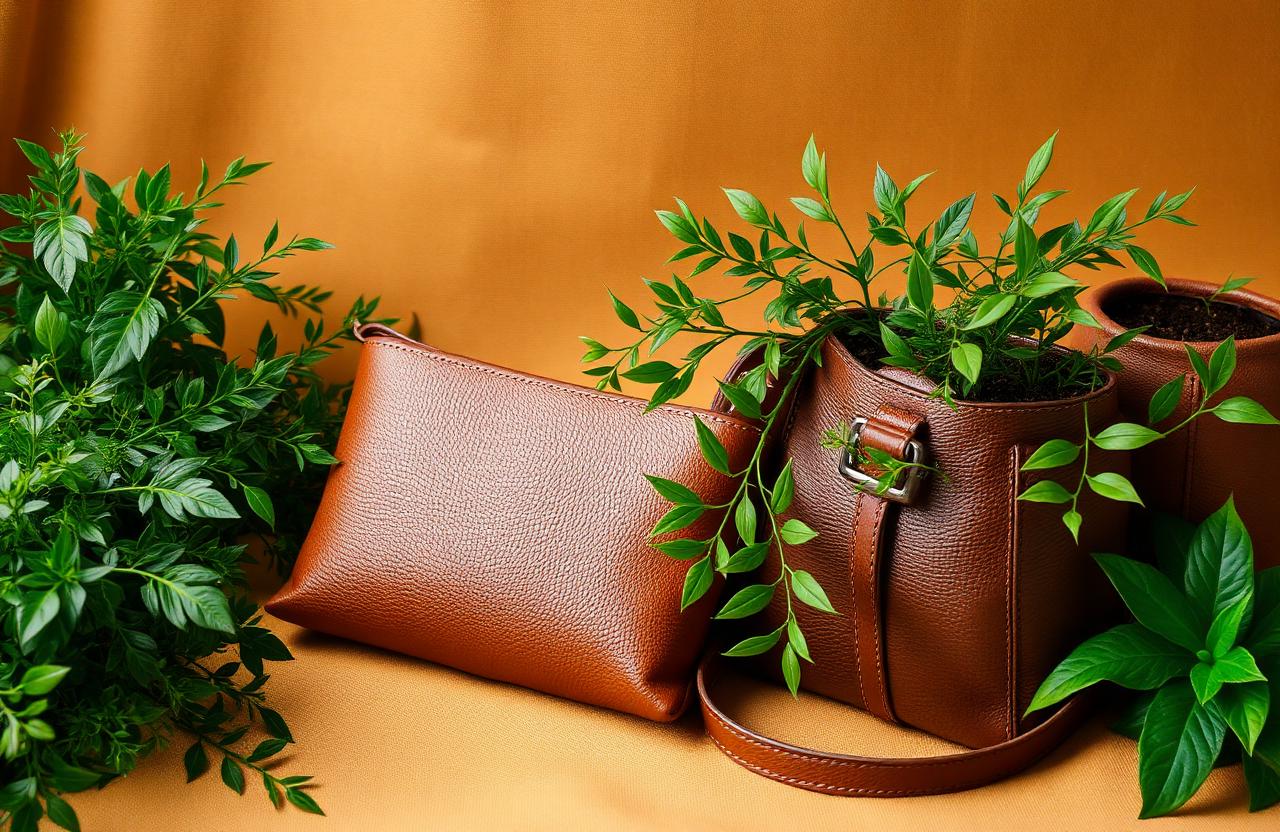
The primary environmental concerns in leather production are water usage, chemical discharge, and the carbon footprint of cattle farming upstream. Modern tanneries that follow LWG protocols recycle up to 95 percent of their process water and operate closed-loop chemical systems that prevent discharge into waterways.
It is important to separate the impact of cattle farming (which produces methane and requires land) from the impact of tanning itself. Leather does not drive cattle farming — the demand for beef and dairy does. If hides were not tanned into leather, the same number of animals would be raised; the hides would simply be wasted. Leather production, therefore, adds relatively little incremental environmental burden while producing a material that displaces petroleum-based alternatives.
What are the different grades of leather?
Leather is broadly categorised into four grades based on which part of the hide is used and how it is processed:
Full-Grain Leather: The highest quality. It uses the entire top layer of the hide with the natural grain intact, preserving the strongest and tightest fibres. Full-grain leather is the most durable, the most breathable, and develops a rich patina — a natural sheen that deepens with age and use. It is the gold standard for luxury goods, fine footwear and heirloom-quality jackets.
Top-Grain Leather: The second-highest grade. The outermost surface is lightly sanded or buffed to remove natural imperfections such as insect bites or scars. This produces a smoother, more uniform appearance. Top-grain leather is slightly thinner and more pliable than full-grain, and it is more stain-resistant due to its finished surface. However, it sacrifices some durability and does not develop the same depth of patina.
Genuine Leather: Despite the reassuring name, this is a lower-quality grade. It is made from the layers that remain after the top grain has been split away. Genuine leather is heavily processed, often spray-painted to simulate a grain pattern, and is significantly less durable. Products labelled 'genuine leather' are generally the most affordable, but they are prone to cracking and peeling within a few years.
Bonded Leather: The lowest tier. Bonded leather is manufactured from shredded leather scraps and fibres that are glued together with polyurethane or latex binders, then pressed into sheets. It contains as little as 10 to 20 percent actual leather. Bonded leather lacks strength, peels quickly, and cannot be repaired or conditioned. It is, in essence, a composite material masquerading as leather.
What is chrome-tanned leather?
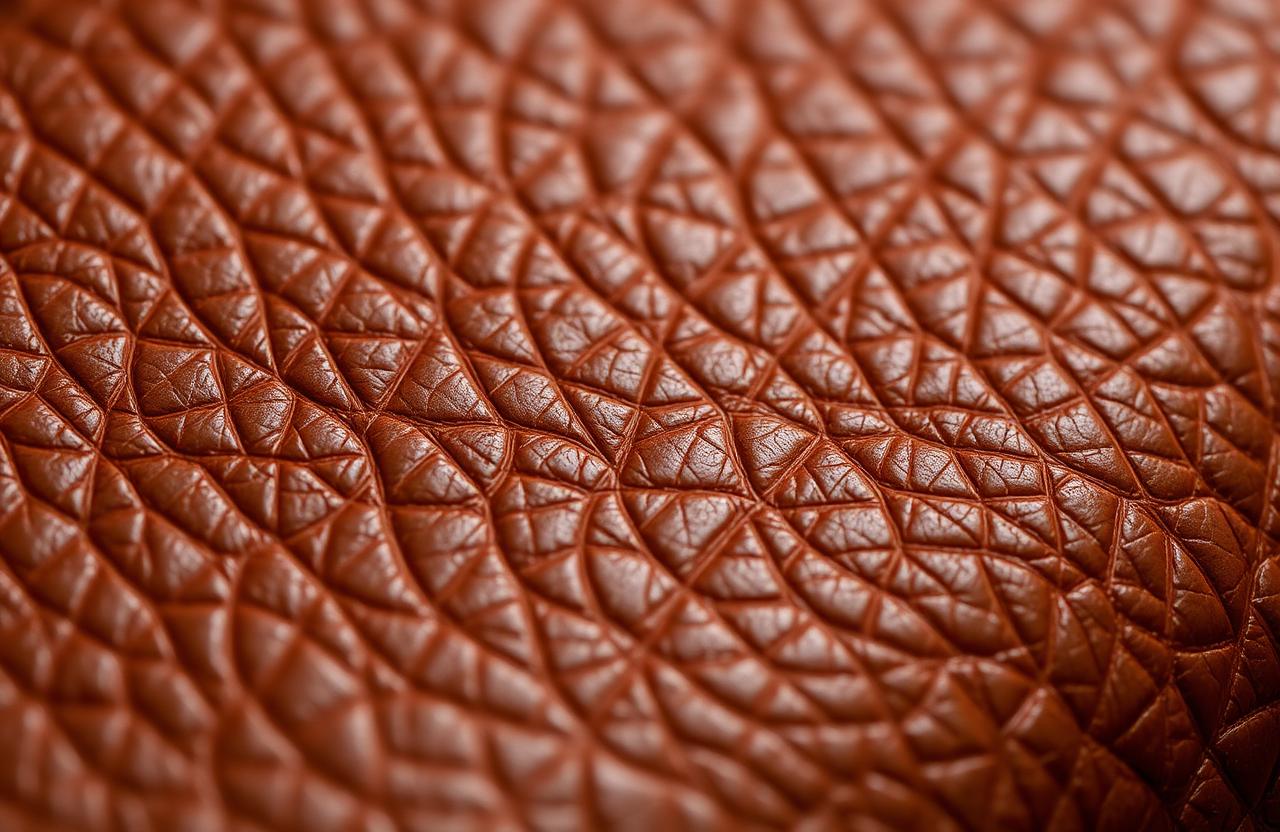
Chrome tanning is the most common tanning method worldwide, accounting for roughly 80 to 85 percent of all leather produced. The process uses chromium(III) salts — specifically basic chromium sulphate — to stabilise the collagen fibres in raw hides, transforming them from perishable organic material into durable, flexible leather.
Chrome tanning is fast (it can be completed in as little as one day, compared to several weeks for vegetable tanning), produces leather that is soft, supple and uniformly coloured, and yields a material that is more water-resistant than vegetable-tanned leather. When performed in regulated facilities, chrome tanning is considered safe — the chromium(III) used is the same form of chromium found in many foods and dietary supplements. The concern arises when tanning waste is improperly handled and chromium(III) oxidises into chromium(VI), which is toxic. Reputable tanneries prevent this through strict chemical management.
What is vegetable-tanned leather?
Vegetable tanning is the oldest tanning method, dating back thousands of years. It uses natural tannins extracted from tree bark (oak, chestnut, mimosa), leaves and other plant matter to preserve the hide. The process is slow — typically taking two to six weeks — but produces leather with exceptional character.
Vegetable-tanned leather is stiffer initially but softens with use, developing a deep, warm patina that chrome-tanned leather cannot replicate. It has a distinctive earthy, sweet aroma. It is the preferred material for saddles, belts, tooled leather goods, and any application where ageing beautifully is prized. The trade-off is that it is less water-resistant, more prone to staining, and requires more attentive care than chrome-tanned leather.
What is the difference between real leather and vegan leather?
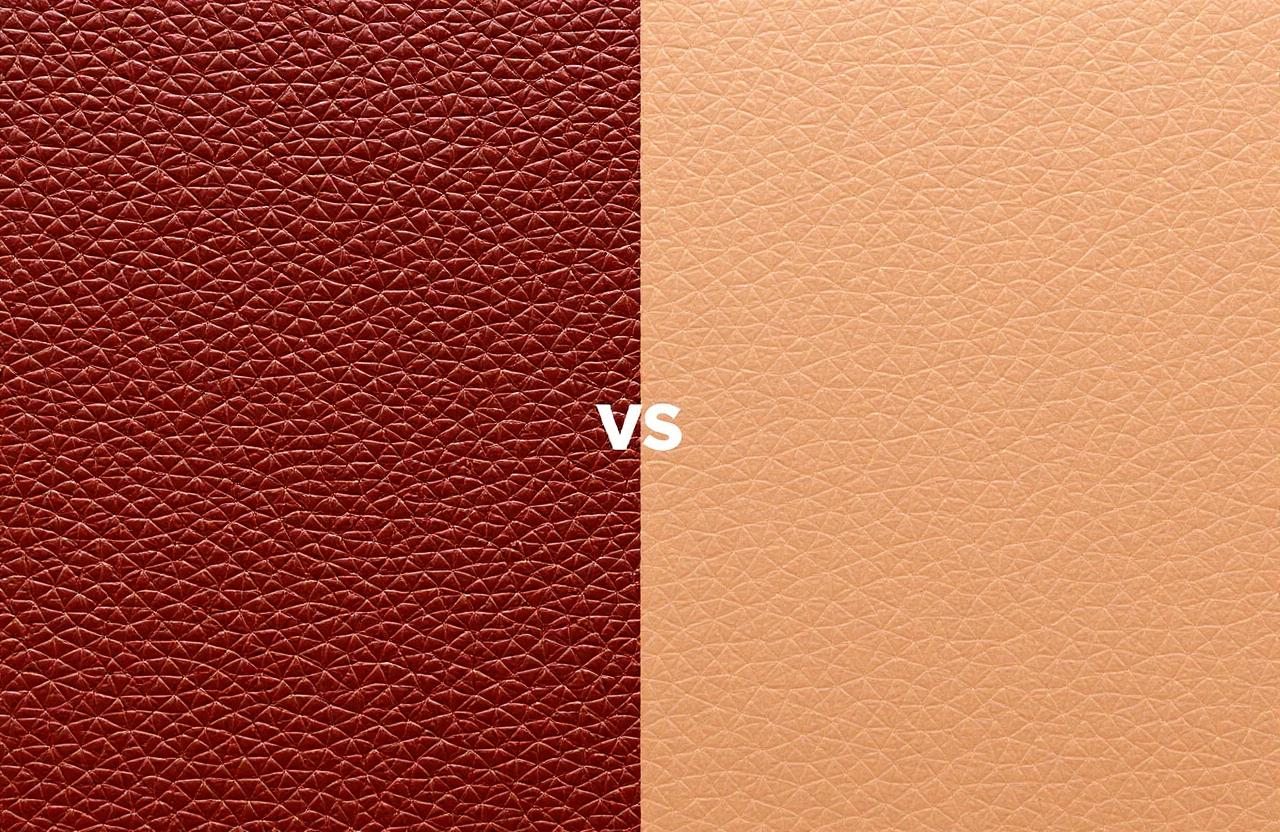
Genuine leather is animal hide that has been tanned to prevent decomposition. It is a natural, fibrous material with inherent breathability, strength, and the ability to develop character over time. A well-made leather jacket or bag can last 20 to 50 years.
"Vegan leather" is a marketing term that encompasses a wide range of synthetic materials, most commonly polyurethane (PU) or polyvinyl chloride (PVC). These are petroleum-derived plastics. While they avoid animal products, they introduce their own environmental concerns: they are not biodegradable, they shed microplastics during use and washing, and they typically last only 2 to 5 years before cracking, peeling or delaminating.
Newer plant-based alternatives made from cactus, pineapple leaf fibre (Piñatex), mushroom mycelium, or apple waste are promising but are still largely blended with synthetic binders to achieve usable durability. As of 2026, no plant-based leather alternative matches the longevity, breathability, or graceful ageing of full-grain animal leather.
The environmental calculus is nuanced. If your primary concern is animal welfare, synthetic or plant-based alternatives make sense. If your primary concern is environmental impact over the product's full lifecycle — including microplastic pollution, landfill burden, and replacement frequency — responsibly sourced leather often comes out ahead.
How long does leather last?
With proper care, high-quality full-grain leather products can last a lifetime — and that is not hyperbole. Archaeological leather artefacts have survived for thousands of years. In practical terms, a well-maintained full-grain leather jacket will serve its owner for 20 to 30 years or more, often improving in appearance with age.
The lifespan depends on the leather grade, the quality of construction, and how the piece is cared for. Full-grain leather lasts the longest. Top-grain leather typically lasts 10 to 20 years. Genuine leather may last 2 to 5 years before showing significant wear. Bonded leather often begins peeling within 1 to 3 years.
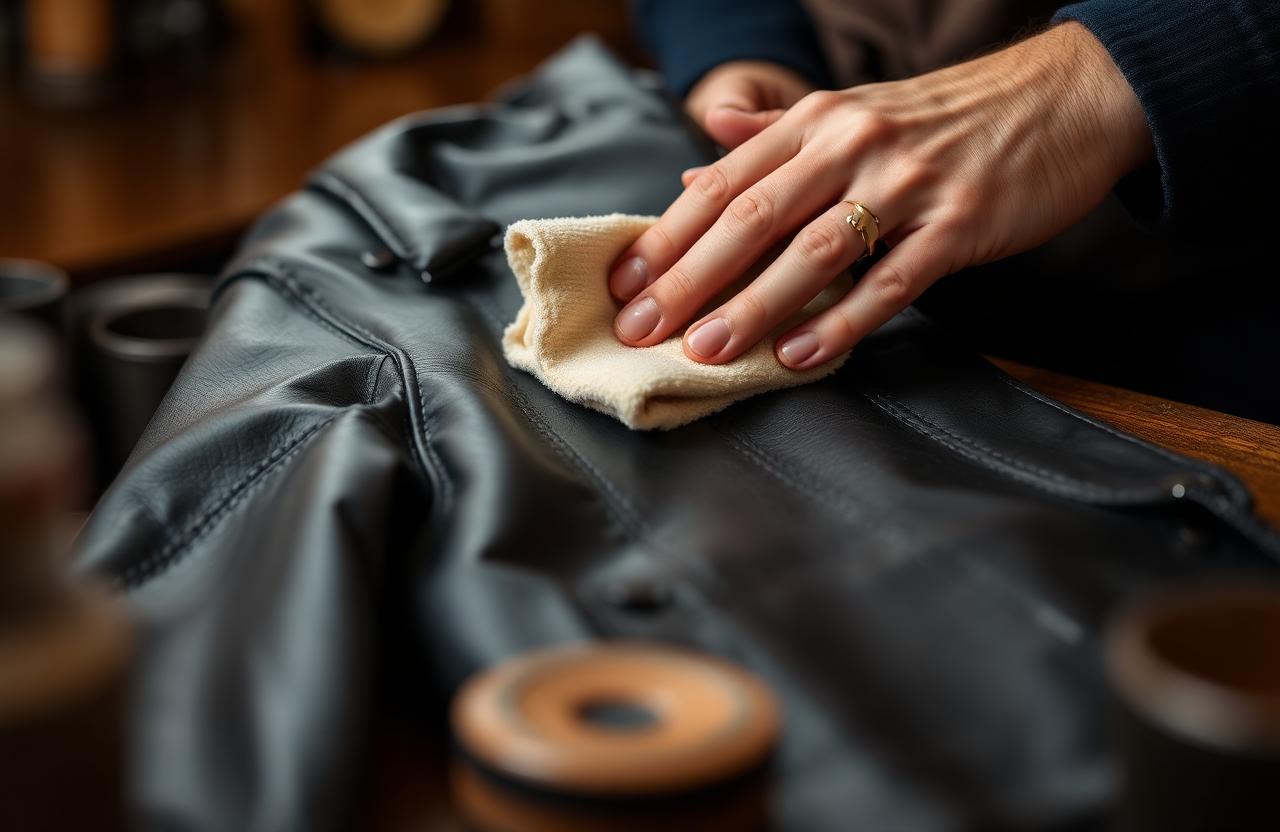
The single most important factor in leather longevity is conditioning. Leather is skin. Like human skin, it dries out when neglected. Regular conditioning replaces the natural oils that keep the fibres supple, preventing the cracking that ultimately ends a leather product's life.
How do I care for my leather jacket?
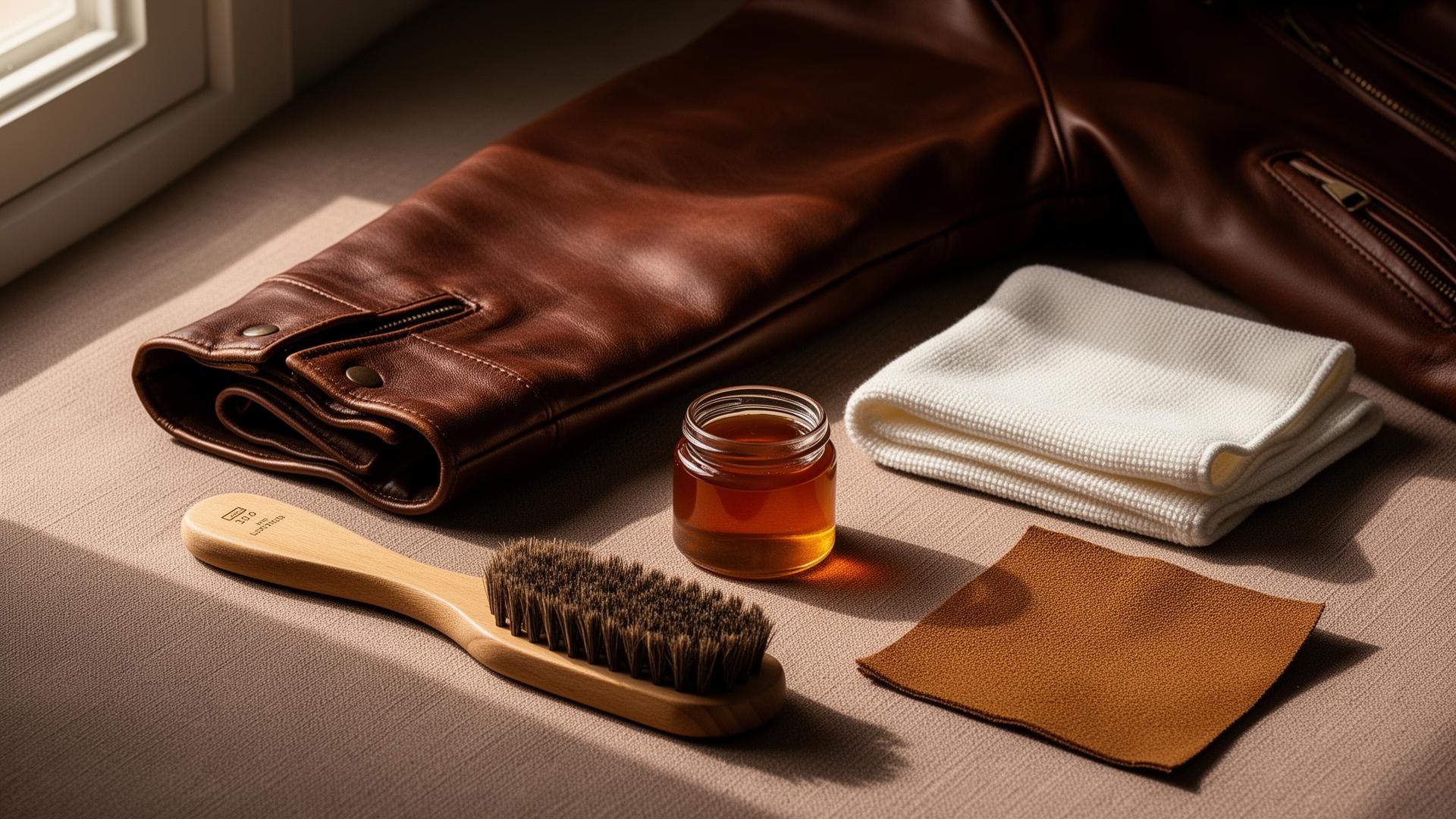
Daily and weekly care: After wearing, hang your jacket on a wide, padded hanger — never a wire one, which distorts the shoulders. Allow it to air in a cool, ventilated space. Once a week, wipe it down with a dry, soft microfibre cloth to remove surface dust and body oils.
Monthly care: For jackets worn frequently, wipe the collar, cuffs and pocket edges monthly with a cloth barely dampened with distilled water. These are the areas where sweat and oils accumulate. Do not use tap water — minerals can leave deposits.
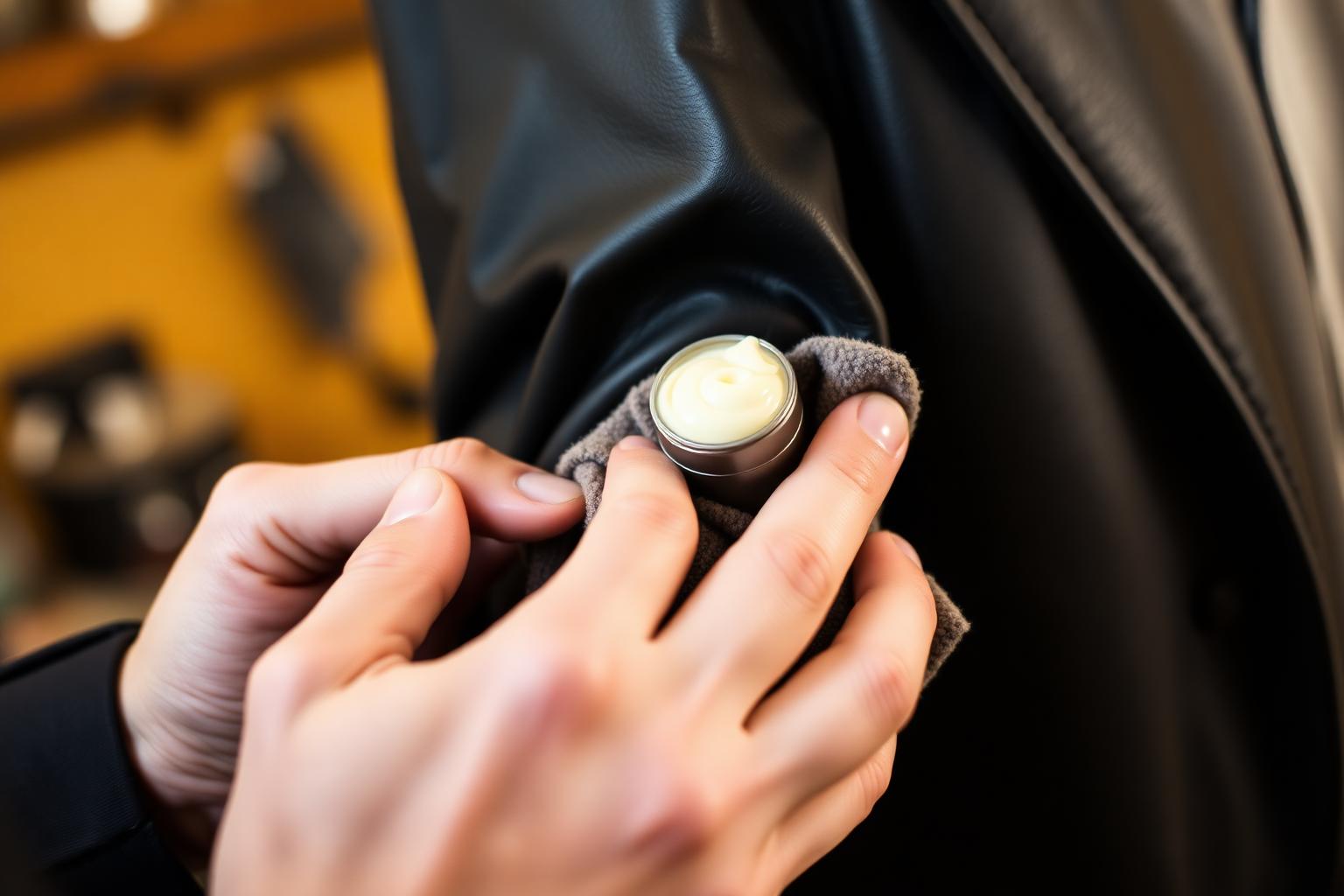
Seasonal conditioning (every 3 to 6 months): Apply a pH-balanced leather conditioner designed for your leather type (smooth, suede or nubuck). Use a small amount on a clean cloth, apply in gentle circular motions, and allow it to absorb for at least 30 minutes before buffing with a fresh cloth. Over-conditioning can clog pores and make leather feel greasy, so less is more.
Storage: Store in a breathable cotton garment bag — never plastic, which traps moisture and promotes mildew. Keep away from direct sunlight and heat sources, which dry and fade leather. If storing for a long period, stuff the sleeves lightly with acid-free tissue to maintain shape.
Is leather waterproof?
Leather is naturally water-resistant, but it is not waterproof. The natural oils and the tight fibre structure of full-grain leather will repel light rain and brief splashes. However, sustained exposure to water — walking in heavy rain, for instance — will allow moisture to penetrate the fibres.
When leather absorbs too much water, the fibres swell and then stiffen as they dry, which can cause cracking and warping. The leather may also develop water spots or salt stains if it dries unevenly.
You can enhance water resistance by applying a leather-specific water-repellent spray or wax. Beeswax-based treatments are traditional and effective, though they can darken the leather slightly. Silicone-based sprays are lighter but need more frequent reapplication. For suede and nubuck, always use a spray formulated specifically for those materials — never wax.
If your leather does get soaked, blot (never rub) with a dry cloth, stuff the item with newspaper or towels to absorb internal moisture, and allow it to dry at room temperature away from heat. Once dry, condition immediately to replace lost oils.
How do I fix scratches on leather?
The approach depends on the depth of the scratch. Light surface scuffs — where the colour has not changed and the fibres are not exposed — can often be fixed by gently rubbing the area with your fingertip. The warmth and natural oils from your skin can work the surface back into place. For larger scuffs, apply a small amount of leather conditioner and massage it in with a soft cloth in circular motions.
Moderate scratches — where the surface coating is visibly disturbed but the underlying leather is intact — respond well to a leather balm or cream that matches the colour. Apply with a soft cloth, let it absorb, then buff gently. Multiple thin applications are more effective than one thick coat.
Deep cuts or gouges that expose raw fibres require a leather filler compound, followed by colour-matched leather dye and a sealant. For valuable pieces — especially jackets or bags with sentimental or monetary worth — professional restoration is recommended. A skilled leather artisan can rebuild the surface to be nearly invisible.
Does leather scratch easily?
It depends entirely on the type and finish. Full-grain leather with an aniline (uncoated) finish shows scratches more readily than leather with a pigmented or semi-aniline finish. However, this is not necessarily a drawback — aniline leather develops a patina over time, and light scratches become part of the character, blending into the overall surface.
Heavily finished or pigmented leather (common in automotive and contract upholstery) is more scratch-resistant because the thick surface coating acts as a shield. The trade-off is a less natural feel and appearance.
For jackets, minor scratches are part of the appeal. A leather jacket that shows no wear after years of use is likely heavily coated or synthetic. The lived-in character of genuine leather — its creases, its subtle scuffs, its deepening colour — is precisely what makes it irreplaceable.
Can leather be recycled?
Yes, though the process is different from recycling paper or plastic. Leather scraps and offcuts from tanneries and manufacturing facilities can be shredded into fine fibres and combined with binding agents to create reconstituted leather board — a material used in shoe insoles, luggage stiffeners, and bookbinding. This is similar in concept to MDF in woodworking.
Finished leather products at end of life can be repurposed through upcycling — turning an old jacket into a bag, a bag into a wallet, or worn leather into patches and accessories. Because leather is a strong, workable material, it lends itself to creative reuse far more readily than fabric or synthetic alternatives.
Vegetable-tanned leather is biodegradable and will decompose naturally in soil over several decades. Chrome-tanned leather biodegrades more slowly due to the chromium salts but is still far less persistent than petroleum-based synthetics, which can take hundreds of years to break down.
How do I spot high-quality leather?
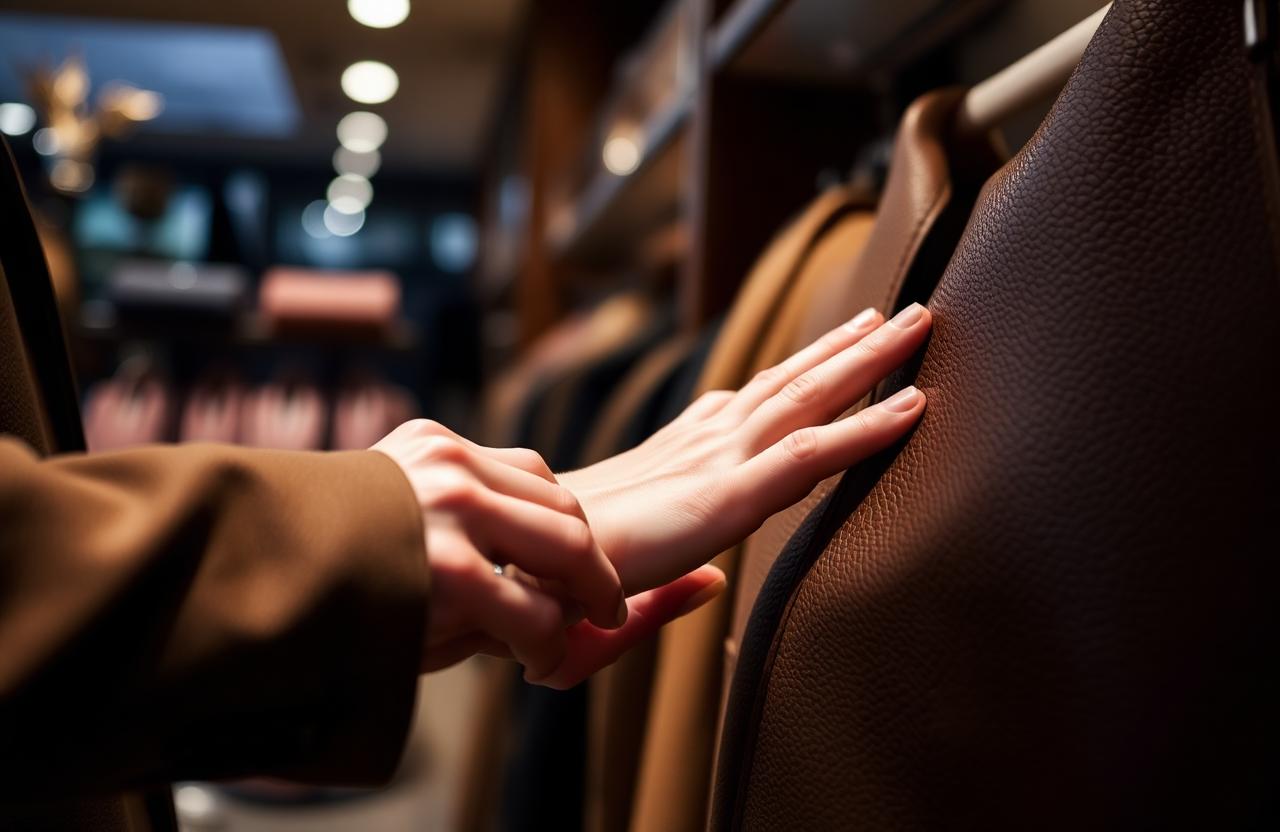
Use your senses. Touch it first: high-quality leather feels warm, supple, and slightly uneven — like skin, because it is skin. It should wrinkle naturally when pressed, then spring back. If it feels cold, plasticky, or unnaturally smooth, it is either heavily coated or synthetic.
Smell it: genuine leather has a distinctive earthy, slightly sweet aroma that comes from the tanning process. A strong chemical or plastic smell is a red flag indicating synthetic material or poor-quality tanning.
Examine the edges: quality leather has slightly rough, fibrous edges where the natural fibre structure is visible. If the edges are perfectly smooth, rubbery, or painted, the material is either bonded leather or heavily processed.
Look at the grain: natural leather has subtle variations — tiny pores, faint marks from the animal's life, slight colour inconsistencies. If the surface pattern is perfectly uniform and repeating, it has been artificially embossed onto a lower-grade material.
Finally, check the weight. Good leather has substance. A full-grain leather jacket should feel reassuringly heavy in your hands — not stiff-heavy, but dense and substantial. Thin, lightweight leather is often split or genuine grade and will not age well.
What does 'genuine leather' actually mean?
This is one of the most successful marketing misnomers in consumer goods. The phrase 'genuine leather' sounds like a quality guarantee — in reality, it denotes the second-lowest grade of leather. 'Genuine' in this context simply means 'real leather' (as opposed to synthetic), but it says nothing about the quality of that leather.
Genuine leather is made from the lower layers of the hide after the top grain has been split off. It is thinner, weaker, and lacks the natural grain pattern. To compensate, manufacturers apply a heavy surface coating and often emboss an artificial grain pattern to simulate the look of higher-grade leather. This coating eventually cracks and peels, giving genuine leather products a much shorter lifespan than full-grain or top-grain alternatives.
When shopping, look for labels that specify 'full-grain leather' or 'top-grain leather.' If a product simply says 'genuine leather' without further qualification, treat it as a warning sign, not a selling point.
How should I store my leather jacket in summer?
Clean it first — condition the leather, wipe down all hardware, and ensure it is completely dry. Hang it on a wide, padded hanger inside a breathable cotton garment bag. Never use plastic dry-cleaning bags; they trap humidity and can promote mould growth.
Store in a cool, dark, dry place with some air circulation. Avoid attics (too hot), basements (too damp), and spaces near radiators or windows. If you live in a humid climate, consider placing silica gel packets inside the garment bag to absorb excess moisture.
Never fold a leather jacket for storage — folds become permanent creases. If closet space is limited, it is better to drape the jacket over the back of a chair in a guest room than to fold it into a box.
Can I wear my leather jacket in the rain?
Light rain is generally fine for a well-conditioned leather jacket. The natural oils in the leather and any water-repellent treatment you have applied will handle brief exposure without issue.
Heavy, sustained rain is a different matter. If you are caught in a downpour, get indoors when possible. Once inside, shake off excess water, blot with a dry towel, and hang the jacket on a wide hanger away from direct heat. Allow it to air-dry naturally — never use a hairdryer, radiator, or clothes dryer, as direct heat causes leather to shrink, crack, and become brittle.
After the jacket has dried completely (which may take 24 to 48 hours), apply a leather conditioner to replenish the oils that water displaces. If water marks appear, dampen the entire jacket lightly with a spray bottle of distilled water, then let it dry evenly — this usually eliminates spot marks.
Why does leather develop a patina?
Patina is the gradual change in colour, sheen, and texture that occurs as leather ages and is exposed to sunlight, body oils, handling, and the elements. It is unique to natural materials — synthetics do not develop patina; they simply deteriorate.
On a molecular level, the natural oils in the leather oxidise slowly over time, darkening the surface. Friction from wear polishes high points while recesses remain lighter, creating depth and dimension. UV light contributes subtle colour shifts. The result is a surface that becomes richer, deeper and more individual with every year of use.
Patina is most pronounced on full-grain vegetable-tanned leather, where the uncoated surface responds most actively to its environment. Chrome-tanned and pigmented leathers develop patina more slowly and subtly. Regardless of the type, patina is a sign of quality — it is the material's autobiography, written in use.
What leather is best for jackets?
The most common leathers for jackets are cowhide, lambskin, goatskin, and buffalo. Each has distinct characteristics:
Cowhide is the most durable and most common. It is thick, tough, and develops a heavy patina. It is the classic choice for motorcycle jackets and rugged outerwear. New cowhide can feel stiff but softens significantly with wear.
Lambskin is the softest and lightest. It drapes beautifully and has a buttery hand feel that cowhide cannot match. However, it is more delicate — less resistant to abrasion and tearing. Lambskin is ideal for fashion-forward jackets where comfort and drape are prioritised over ruggedness.
Goatskin strikes a balance between the two. It is lighter than cowhide but tougher than lambskin, with a distinctive pebbled grain that gives it visual interest. It is popular for casual jackets and has excellent breathability.
Buffalo (or bison) leather is the heaviest and most rugged. It has a pronounced grain and exceptional durability, making it suitable for heavy-duty work jackets and motorcycle gear. It develops a dramatic patina but is too heavy and stiff for everyday casual wear.
Complete leather furniture maintenance schedule
Weekly: Dust all surfaces with a dry, soft microfibre cloth. Vacuum crevices and seams using a soft brush attachment — never a hard nozzle, which can scratch the surface. This prevents abrasive grit from grinding into the leather with daily use.
Monthly: Wipe high-contact areas — armrests, headrests, seat cushions — with a cloth barely dampened with distilled water. Body oils, perspiration, and hair products accumulate on these surfaces and, if left unchecked, break down the leather's protective finish over time.
Every 6 to 12 months: Apply a pH-balanced leather conditioner to the entire piece. Work in small sections, applying a thin layer with a clean cloth in circular motions. Allow 30 minutes for absorption, then buff with a dry cloth. This replaces the natural oils that keep leather supple and prevents the drying and cracking that end most leather furniture's life prematurely.
Spills: Blot immediately with a dry, absorbent cloth. Never rub, as rubbing pushes liquid deeper into the pores and can spread the stain. For grease stains, sprinkle cornstarch or baking soda over the spot, leave it overnight to absorb the oil, then brush away gently with a soft brush.
Annual inspection: Check stitching, piping, and any exposed edges for signs of wear. Catching a loose stitch early and having it repaired prevents the problem from spreading into a costly tear.
Leather worth writing about.
Discover the pieces behind the words.
Visit the Collection