Leather as a Symbol of Freedom — From Aviator to Outlaw
Few garments have travelled as far as the leather jacket. From the open cockpits of First World War biplanes to the blank stages of stadium tours, from the parking lots of midwestern diners to the runways of Paris — the leather jacket has, again and again, signalled the same thing: this person belongs to themselves.
1. The First Pilots, The First Cold
The leather jacket as we now know it was born in 1913, when the Royal Flying Corps issued long, fur-lined leather coats to its earliest pilots. At ten thousand feet, in an open cockpit, the cold was indistinguishable from the wind. Leather was the only material that survived both.
When the war ended, the men kept their flying coats. They wore them home. They wore them out. And the rest of the world saw, for the first time, the silhouette of someone who had been somewhere most could not imagine.
2. The Wild One, The Rebel
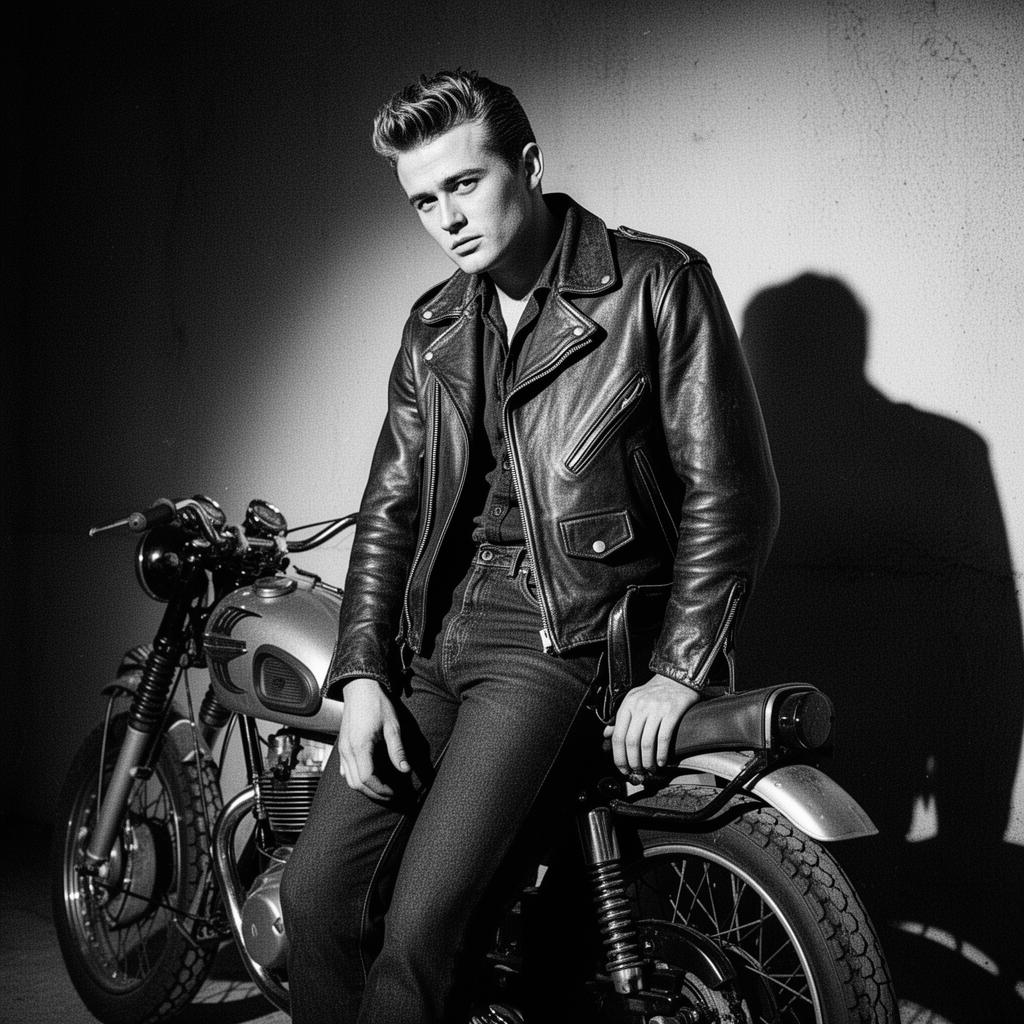
By 1953, when Marlon Brando appeared on screen in a Schott Perfecto, the leather jacket had been quietly absorbed into civilian life. Brando made it loud. He made it dangerous. He made it the uniform of the boy your mother warned you about — and, in doing so, he made it irresistible.
Two years later James Dean did the same in red, and the leather jacket entered the post-war American imagination as the costume of refusal.
3. The Open Road, The Black Highway
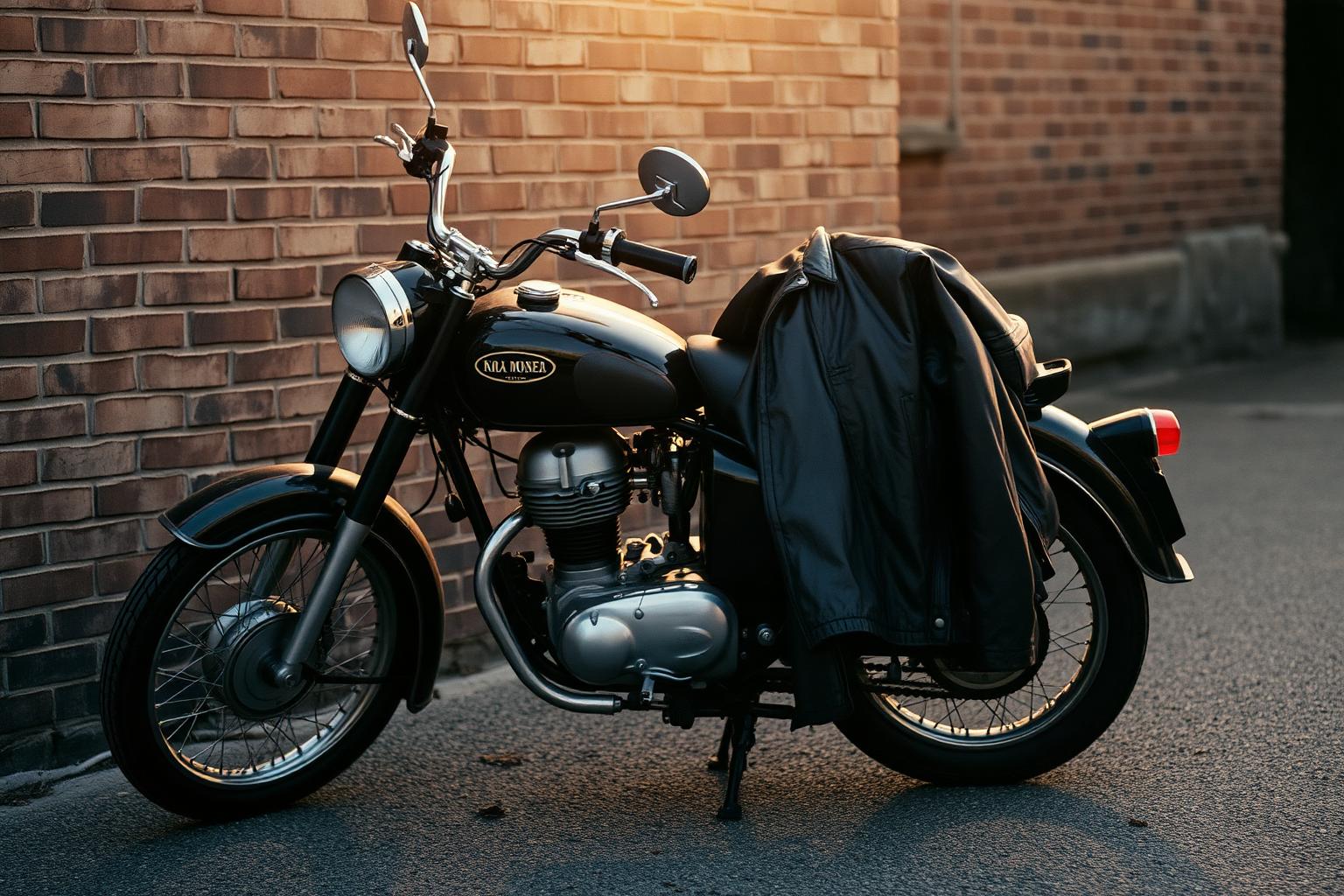
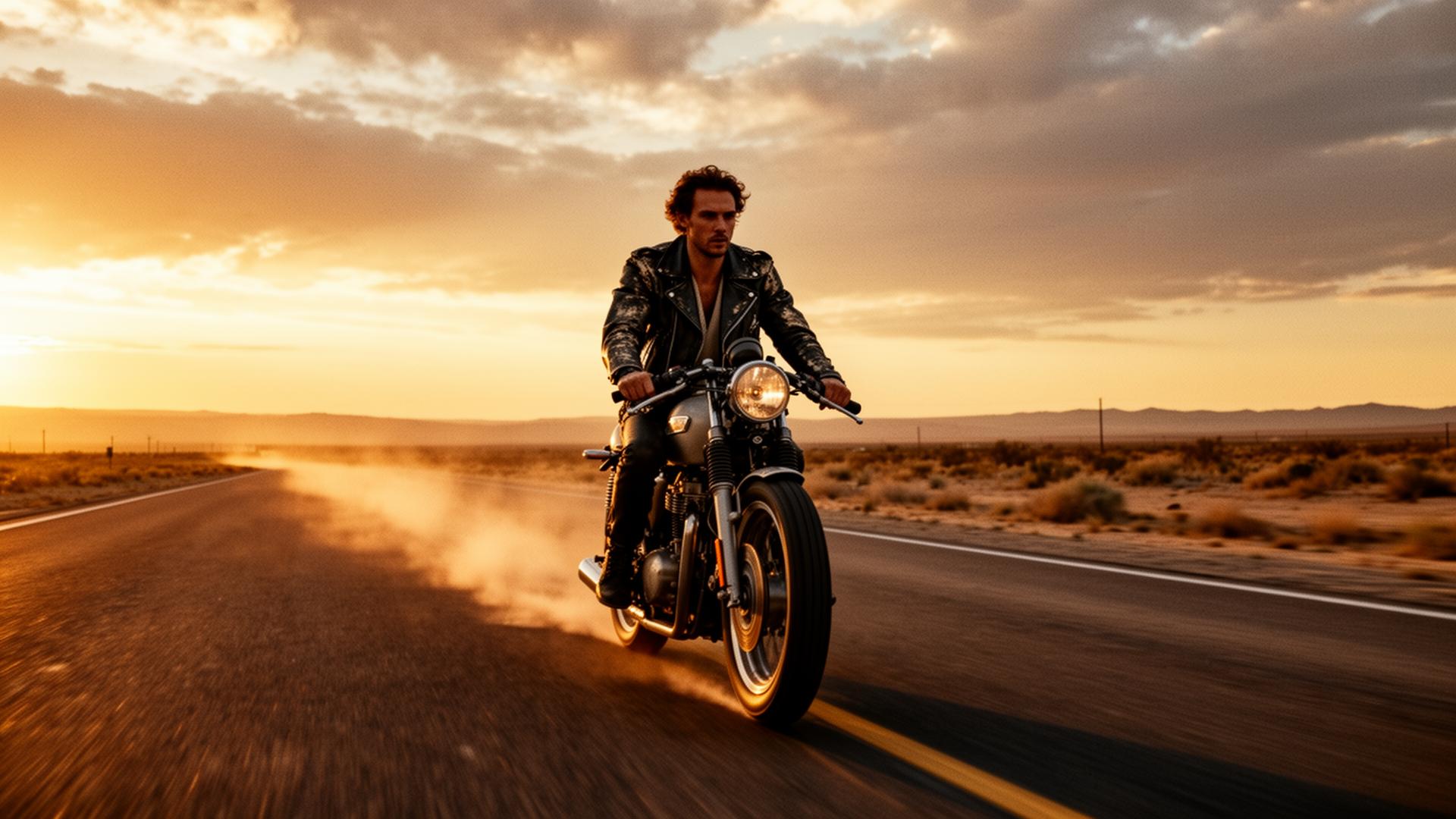
The motorcycle culture that grew up around the Harley-Davidson and the Triumph in the 1950s and 60s gave the leather jacket its most enduring association: the open road. To wear leather was to declare that you were going somewhere, and that no one was telling you when to stop.
Half a century later, the symbolism remains intact — even when worn to the office. A leather jacket carries the road inside it.
4. Why Freedom Wears Black Leather
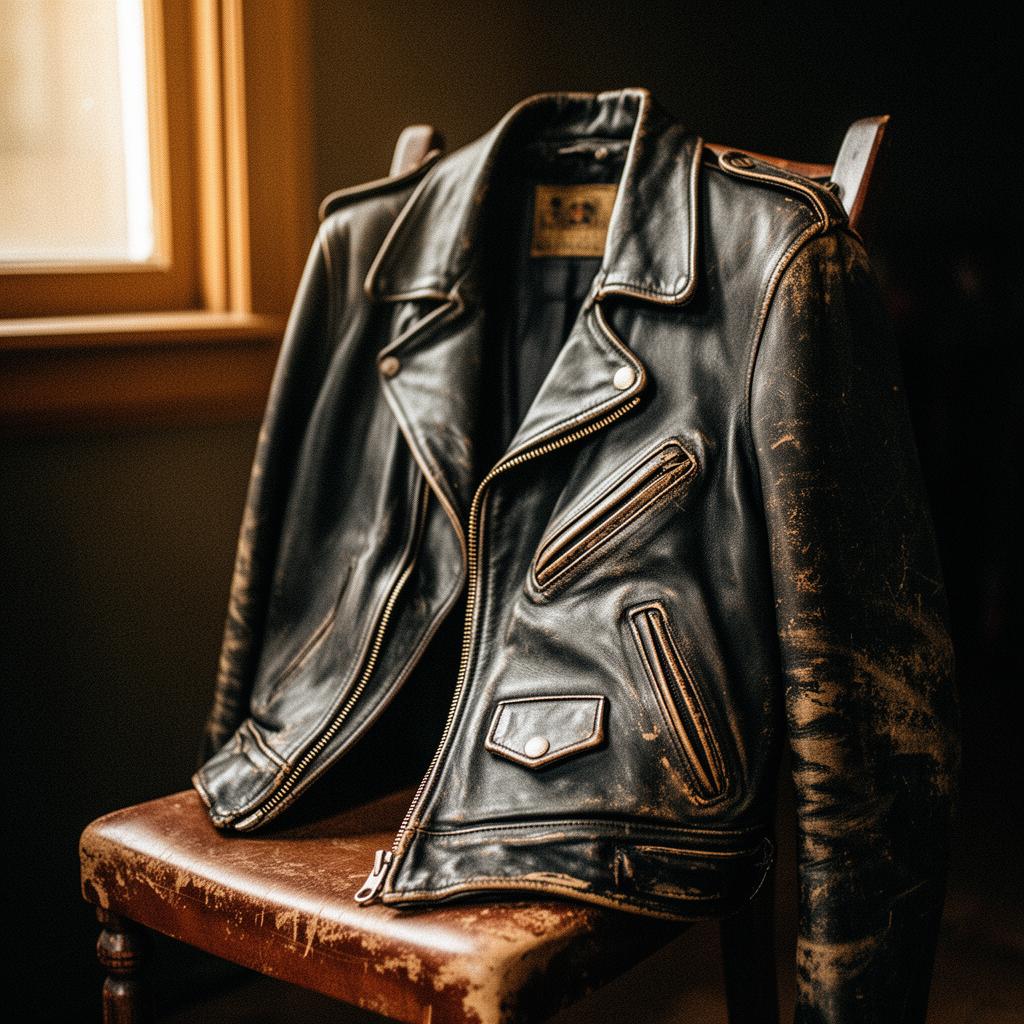
Leather is the rare material that does not date because it predates fashion entirely. It is older than tailoring, older than the loom. To wear it is to participate in something humans have done for ten thousand years: to take an animal hide, work it patiently into protection, and walk out into the world a little more equipped to meet it.
That is why leather will always mean freedom. Not the freedom of escape — the freedom of self-possession.

Leather worth writing about.
Discover the pieces behind the words.
Visit the Collection