Is Leather Sustainable? Facts, Myths and What to Look For
Sustainability is the most contested word in fashion. Everyone claims it; few define it. When it comes to leather, the conversation is especially polarised. Here, we present the evidence as plainly as we can.
The by-product argument
The single most important fact in the sustainability debate is this: leather is overwhelmingly a by-product, not a co-product, of the meat industry. The global demand for beef and dairy drives cattle farming. Hides are a secondary output. If every tannery in the world closed tomorrow, the same number of animals would be raised — the hides would simply go to waste.
Approximately 7.7 million tonnes of raw hides are produced globally each year as a result of meat production. Without tanning, these hides would require disposal — typically through landfill or incineration, both of which carry their own environmental costs. The leather industry transforms this waste stream into a material that can serve its owner for decades.
Water and energy — what the numbers say
Tanning does require water and energy, and unregulated tanneries have historically been major polluters. This is the source of much of leather's negative environmental reputation — and the criticism is deserved, for the worst operators.
However, modern LWG-certified tanneries operate on a fundamentally different basis. Water recycling rates of 85 to 95 percent are standard. Closed-loop chemical systems prevent discharge into waterways. Energy consumption has been reduced through process optimisation and, increasingly, renewable energy adoption.
It is also important to measure environmental impact per year of product use, not per unit of production. A leather jacket used for 25 years consumes far fewer resources per year than a synthetic jacket replaced every 3 years — even if the initial production footprint of the leather jacket is higher.
Biodegradability and end of life
Vegetable-tanned leather is fully biodegradable and will decompose naturally in soil. Chrome-tanned leather biodegrades more slowly but is still vastly preferable to petroleum-based synthetics, which persist in the environment for centuries.
At end of life, leather can be repaired, repurposed, upcycled, or composted. A worn leather jacket can be restored by a skilled artisan, turned into a bag or accessories, or shredded into fibreboard. This circularity is a genuine environmental advantage — leather remains useful across multiple lifetimes of use.
Compare this to PU or PVC synthetic leather, which cannot be meaningfully recycled, cannot be composted, and will shed microplastic particles throughout its time in landfill. The end-of-life picture strongly favours natural leather.
Certifications that matter
Not all leather is created equal in sustainability terms. The certifications to look for are:
Leather Working Group (LWG): The most widely recognised environmental standard for tanneries. LWG audits cover water use, energy consumption, chemical management, waste, and traceability. Tanneries are rated Gold, Silver, or Bronze. Gold-rated tanneries represent the highest environmental standard in the industry.
OEKO-TEX LEATHER STANDARD: Certifies that finished leather products are free from harmful substances at levels that could affect human health.
ISO 14001: An international environmental management standard that demonstrates a tannery has implemented systems to control its environmental impact.
At KAKAIYS, we source exclusively from LWG-audited tanneries. We believe that responsible sourcing is not a marketing claim — it is a minimum standard.
What you can do
Choose well: Buy from brands that specify their leather grade, their tannery certifications, and their supply chain. Transparency is the best indicator of genuine sustainability commitment.
Buy less: One high-quality leather piece that lasts 20 years is more sustainable than five cheap alternatives that each last 3 years — regardless of the material.
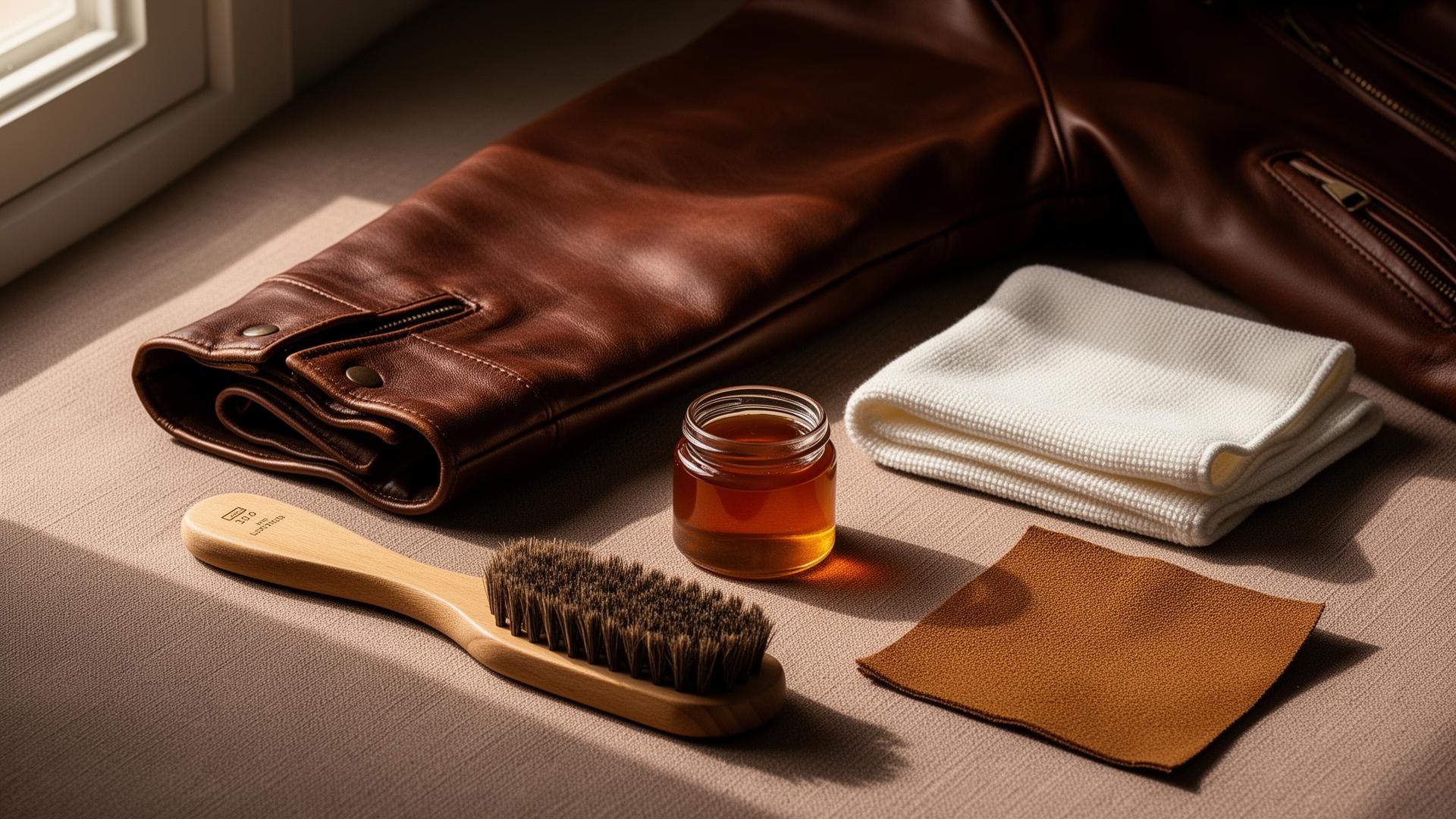
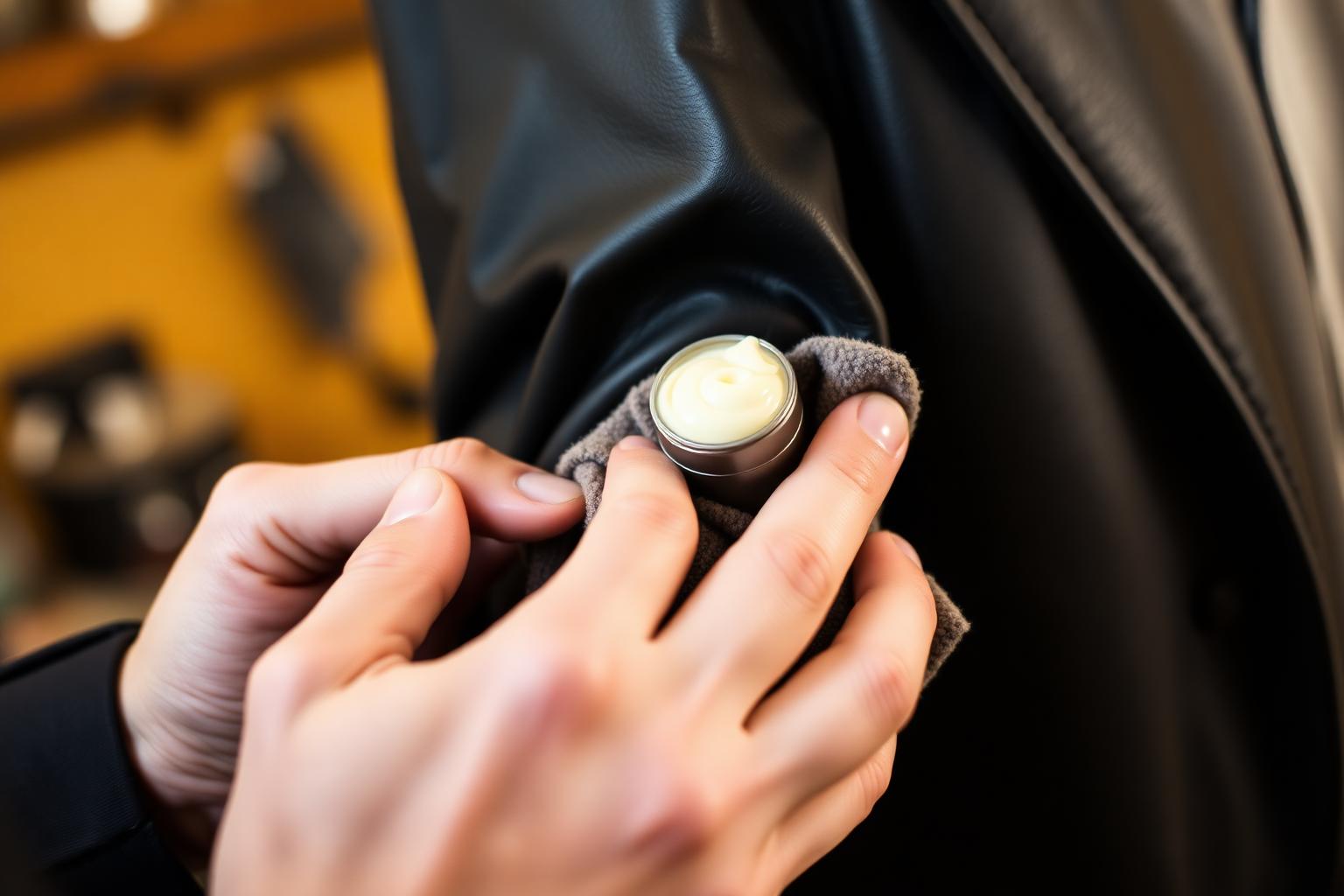
Maintain it: Regular conditioning and proper storage extend the life of leather products dramatically. A $10 bottle of conditioner, used twice a year, can add a decade to a jacket's life.
Repair, don't replace: Leather is one of the few materials that can be restored to near-original condition by a skilled artisan. A re-dyed, re-conditioned leather jacket is both more sustainable and more characterful than a new one.
Leather worth writing about.
Discover the pieces behind the words.
Visit the Collection